

How do biofuel fireplaces work? A guide to fuel, flames, and safety
Key Takeaways
A biofuel fireplace burns alcohol-based fuel in a purpose-built burner to create a real flame and heat. Understanding the fuel, room conditions, and operating instructions helps you choose and use one more confidently.
- Bioethanol burns at the burner to produce a real flame and heat.
- Many models do not need a chimney, but indoor use still requires attention to ventilation and room requirements.
- Use only the fuel specified for your fireplace and follow its operating instructions.
- Burn time and warmth vary with burner design, settings, fuel capacity, and room conditions.
- Let the burner cool before refilling, and keep fuel away from flames and heat.
The basic principle behind a biofuel fireplace
If you’re asking how do biofuel fireplaces work, the short answer is that a burner releases fuel vapor that catches fire when ignited. The resulting flame gives off heat, while the fireplace’s construction helps contain and direct the burn. The details differ between models, but the basic process is straightforward.
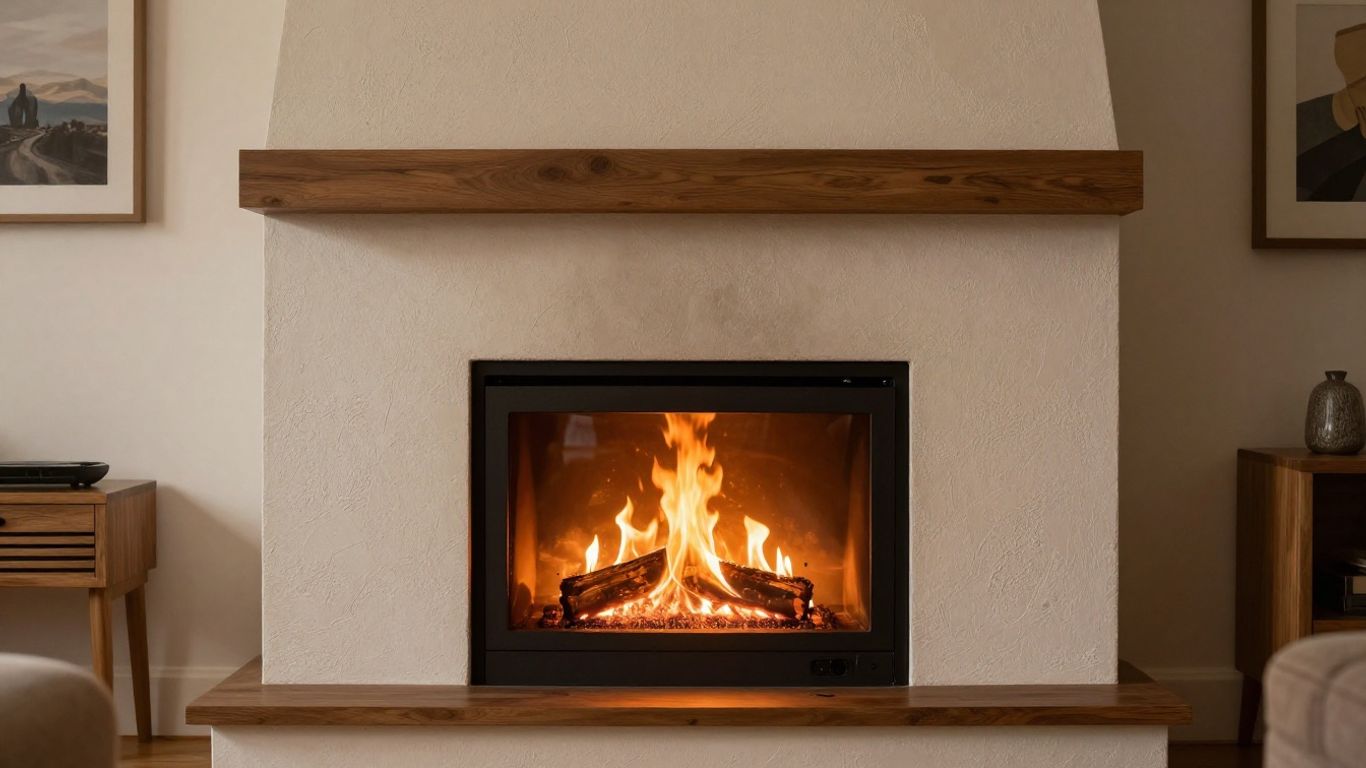
How biofuel becomes a visible flame
In a typical bioethanol fireplace, liquid fuel sits in a burner or reservoir. As the fuel evaporates, its vapor mixes with air above the burner; an ignition source lights that mixture, creating the visible flame. The flame is real, not an electric image, though its size and shape depend on the burner and its controls.
For a broader introduction to ethanol fireplace fundamentals, you can compare how fuel and burner design shape different styles of fireplace. The point to keep in mind is that the burner—not simply the outer casing—determines how fuel is released and burned.
What happens during combustion
When ethanol vapor burns, the main products of complete combustion are carbon dioxide and water vapor, along with heat. That does not mean an indoor flame has no effect on room air: combustion uses oxygen, and poor conditions or a malfunction can create additional hazards. So a clean-looking flame is not a reason to ignore the manufacturer’s room and ventilation instructions.
This is one reason to treat “ventless” as a description of the fireplace design, not as a promise that every room is suitable. Follow the manual for the specific model and local requirements.
Why many models do not need a chimney
A conventional chimney carries smoke and combustion products outside. Many bioethanol models have no flue because they burn alcohol-based fuel without producing wood smoke or soot in normal operation. Their design can therefore offer more placement flexibility than a fireplace that depends on a chimney connection.
That flexibility has limits. You still need to meet the stated room-size, clearance, ventilation, and installation requirements for the model you choose. A guide to bioethanol fireplace use and installation can provide another overview of the no-chimney design and what that does—and does not—mean.
How biofuel fireplaces differ from wood-burning and gas models
A biofuel fireplace burns liquid or, in some designs, gel fuel in a burner. A wood fireplace burns solid logs and produces smoke and ash that must be managed, while a gas model uses a gas supply and its own installation requirements. The visible flame, heat, and maintenance needs are different in each case.
Rather than assuming one type suits every home, compare how it fits your space, fuel access, and intended use. A useful bioethanol and gas fireplace comparison can help you identify which practical considerations matter before you select a design.
The parts that make the fireplace work
A biofuel fireplace may look like a simple opening and flame, but the burner and its controls do the essential work. The outer body can be freestanding, mounted, or built into a surround, while the fuel system and ignition method vary by model. Knowing which parts your fireplace uses makes its instructions easier to follow.
The burner and fuel reservoir
The burner holds or receives the fuel and provides the opening where vapor meets air and ignites. In a manual model, you may pour fuel into a reservoir designed for that purpose; some automatic models use a fuel tank and a controlled delivery system. Never treat a decorative vessel as a fuel container unless the manufacturer identifies it as one.
The burner’s capacity and design affect how the flame behaves and how often you may need to refuel. Check the model specifications rather than judging capacity by the visible size of the fireplace.
Manual and automatic ignition systems
A manual burner is generally filled and lit according to a sequence in its operating instructions. Automatic fireplaces use powered controls to start and manage operation; the exact features differ between products. Do not assume every automatic model uses the same ignition, refuelling, or shutoff method.
For example, the Planika FLA4+ is documented with remote, app, and smart-home control, automatic refuelling, and integrated safety features. Those details apply to that listed burner; they are not a description of every automatic biofuel fireplace.
Flame controls and shutoff mechanisms
Some burners allow you to adjust the flame, while others have fewer operating settings. A manual burner may use a closing mechanism to limit or extinguish the flame; automatic designs may provide a controlled shutoff. Learn where the controls are and how the manufacturer says to use them before lighting the fireplace.
Controls are not interchangeable. Do not try to improvise a shutoff method or use an accessory that is not approved for the model. If the flame behaves unexpectedly, follow the manual’s instructions and keep people and combustible materials clear.
Freestanding, wall-mounted, and built-in designs
The fireplace’s outer form determines how it fits into the room, but it does not override the burner’s installation instructions. Freestanding models need an appropriate stable location, while wall-mounted and built-in units have model-specific mounting, clearance, and construction requirements. A built-in appearance does not mean you can place a burner inside any enclosure.
The EcoSmart Frame Bioethanol Firebox, for instance, is described as a built-in firebox for indoor or outdoor installation that does not require a chimney, flue, gas line, or electrical connection. Use its documentation for the actual installation conditions rather than applying those specifications to another fireplace.
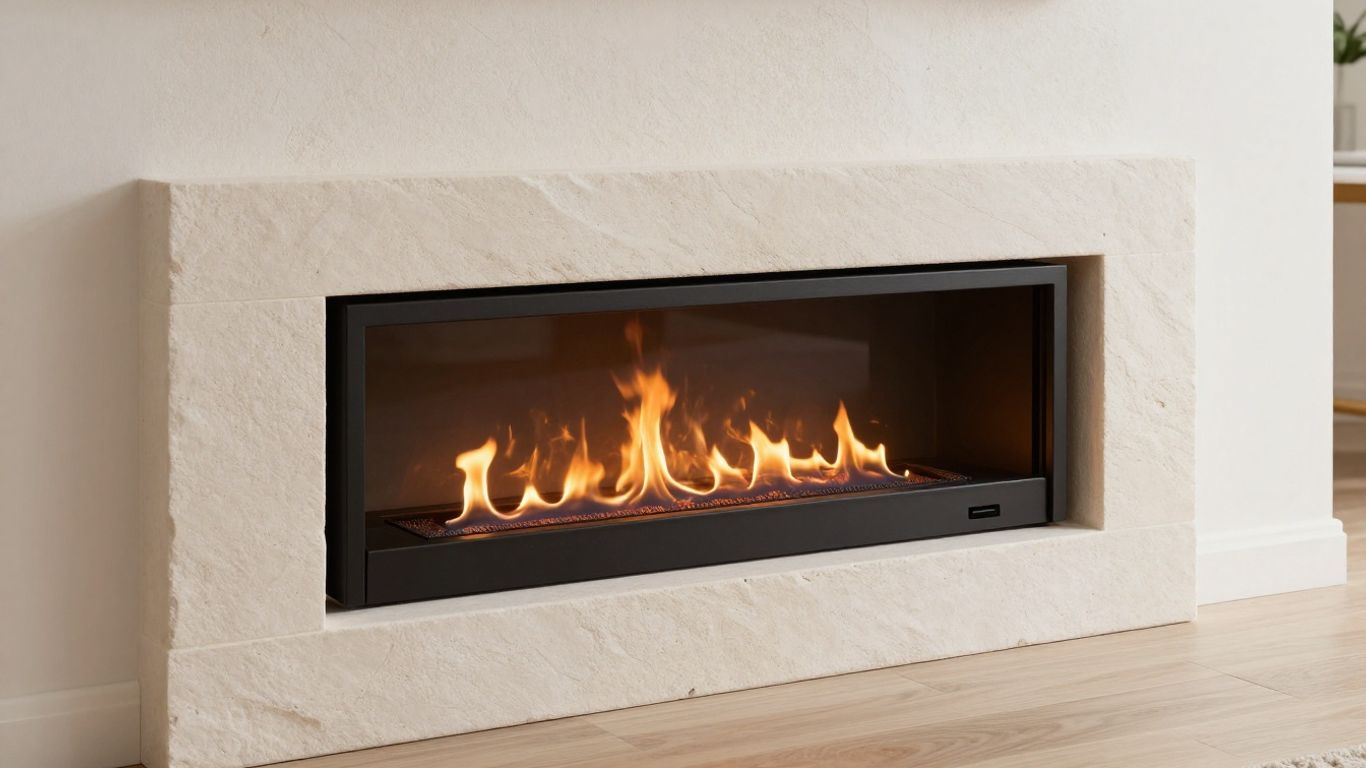
Fuel types and how to choose them
Fuel choice affects compatibility, flame behavior, and how you handle and store the product. Bioethanol is the common fuel for this type of fireplace, but the word “biofuel” alone does not tell you what a particular burner accepts. Read the fireplace manual and fuel label before buying or pouring anything.
Bioethanol as the most common fuel
Bioethanol is an alcohol-based fuel made for use in compatible fireplaces. When you shop, look for fuel specifically intended for your fireplace type and check any limits or specifications in its instructions. Do not assume household alcohol or another fuel with a similar name is an acceptable substitute.
The term bioethanol can also refer to fuel made from plant-based materials, but its source does not replace the practical question of whether it meets the fireplace manufacturer’s requirements. Fuel and burner need to be considered together.
Liquid and gel fuels
Many biofuel fireplaces use liquid bioethanol, while some products are designed for gel fuel. These fuels are not automatically interchangeable: burner construction, ignition, and fuel handling can differ. A fireplace’s appearance may not make its fuel type obvious, so check the model information.
A quick comparison can help you frame the question, but the fireplace manual is the final guide to compatibility:
| Fuel form | Common consideration | What to check |
|---|---|---|
| Liquid bioethanol | Used by many bioethanol burners | Fuel specification and filling method |
| Gel fuel | Intended for some specific designs | Whether the burner is designed for gel |
| Other alcohol-based fuel | May look or sound similar | Do not use unless expressly approved |
The table is a starting point, not permission to substitute. If the instructions specify one fuel, use that fuel only.
Why fuel compatibility matters
A burner is designed around particular fuel characteristics and a particular way of filling and burning. Using a different fuel can cause a poor flame or unsafe operation, and the name on a bottle is not enough to establish compatibility. Keep the fuel container and the fireplace documentation available so you can verify both before use.
As a practical check, confirm these points before opening a container:
- The fuel is expressly intended for your fireplace model or burner type.
- The container’s instructions and the fireplace manual do not conflict.
- The burner is cool and switched off before you handle fuel near it.
- You have a safe place to store the remaining fuel away from heat and flame.
These checks take little time and help prevent a small mismatch from becoming a spill or ignition hazard. If anything is unclear, pause and ask the supplier or manufacturer rather than testing a substitute.
How fuel quality affects burning
Fuel that is unsuitable, contaminated, or stored incorrectly may not burn as intended. Follow the manufacturer’s fuel specification and storage advice, and keep the container closed when it is not in use. A flame that looks unusual or produces an unexpected odor is a reason to stop and consult the operating instructions, not to add more fuel.
Avoid making assumptions based on price or appearance alone. The right fuel is the one specified for your burner and handled according to its label.
What to expect when operating one
Operating a biofuel fireplace means following a clear routine before, during, and after the flame is lit. Manual and automatic designs have different controls, but both require attention to fuel, clearance, and shutdown. Before your first use, read the model’s full instructions rather than relying on a general guide.
How to fill and light a manual burner
A manual burner must be filled and lit only as its manufacturer directs. The sequence can vary, so use the following as general principles—not a replacement for model-specific instructions. In particular, never add fuel to a lit or hot burner.
A typical safe routine includes these steps:
- Check that the burner is fully extinguished and cool before filling.
- Pour only the approved fuel, taking care not to overfill or spill it.
- Wipe up any spill and move the fuel container away before lighting.
- Use the ignition method specified for that burner and keep your face and hands clear.
After lighting, follow the instructions for adjusting or extinguishing the flame. If fuel spills near the fireplace, do not ignite it; follow the manufacturer’s spill guidance and allow the area to be safe before use.
How automatic models start and stop
An automatic model may use buttons, a remote, an app, or other controls to start and stop the flame, depending on its design. Read the control sequence and learn how to respond if the fireplace displays an alert or does not operate normally. Automated features do not remove the need to monitor the room and follow clearance rules.
The Planika FLA4+ listing describes remote, app, and smart-home control, along with automatic refuelling and integrated safety features. Those documented options illustrate one product’s setup; check a model’s specifications to know which controls it actually includes.
How long a typical burn lasts
There is no single burn time that applies to all biofuel fireplaces. Duration depends on factors such as the burner’s fuel capacity, the selected flame level, and the specific model. Manufacturer figures, where available, are more useful than a general estimate, and actual use may vary with operating conditions.
Compare burn-time claims alongside fuel capacity and heat information. A longer stated burn should not be treated as a guarantee for every setting or room.
Why you should let the burner cool before refilling
A hot burner can ignite newly added fuel or its vapors. Wait until the flame is completely out and the burner has cooled for the period specified in the instructions before refilling. This is true even if the fireplace appears dark or inactive; parts of the burner may still be hot.
Keep fuel away from the fireplace while it is lit or cooling. If you are unsure whether the burner is safe to refill, wait longer and consult the manual rather than taking a chance.
Heat output and room conditions
A biofuel fireplace gives off heat as its fuel burns, but it may not behave like a whole-home heating system. The warmth you feel depends on the fireplace’s output, the room’s size and layout, and other conditions. Use the product’s technical information to judge suitability instead of relying on the flame’s visual scale.
How biofuel fireplaces produce heat
Combustion releases heat into the surrounding space, alongside the visible flame. Some warmth radiates directly from the flame and hot burner area, while the room’s surfaces and air absorb heat over time. How much reaches you depends on the fireplace’s output and where you are sitting in relation to it.
A real flame can make a room feel inviting, but it does not by itself establish that the fireplace can heat the whole room. Look at the stated output and use conditions for the exact model.
Factors that affect warmth and burn time
Fuel capacity, burner design, flame setting, and room conditions all influence how a fireplace performs. A higher setting may consume fuel more quickly, while drafts and the layout of a room can affect how warmth is perceived. Consider the figures as product-specific rather than universal biofuel-fireplace performance.
For a concrete example, the Planika FLOGS listing specifies a 7 kW heat output and six flame settings. Those are the published specifications for that model; use comparable specifications for the fireplace you are considering.
Choosing a suitable room and fireplace size
Start with the manufacturer’s minimum room size and installation requirements, then consider the space where the flame will be used. A large-looking fireplace is not automatically suitable for a small room, and an open-plan space may distribute warmth differently from an enclosed room. The burner’s stated output and the room’s conditions should guide the decision.
A burner size and room-size guide can help you understand which technical specifications to compare. If your room does not meet the listed requirements, choose a different location or model rather than trying to compensate through operating habits.
Ventilation and indoor air considerations
Even when a fireplace does not need a chimney, indoor combustion affects the air in the room. Follow the instructions about ventilation, room volume, and continuous operation, and do not block required openings. Never treat a general statement about clean burning as proof that a particular room needs no fresh air.
If anyone experiences unusual discomfort while the fireplace is operating, turn it off if safe to do so, leave the area, and seek appropriate help. The fireplace manual and local guidance should determine whether a room is suitable.
Safety, installation, and upkeep
Safe use begins before you light the fireplace: placement, fuel handling, and installation all matter. Follow the instructions for your specific model and any applicable local requirements, even if another fireplace appears similar. Routine checks can help you notice damage or residue before the next use.
Following clearance and placement requirements
Place and install the fireplace only as its manufacturer specifies, including clearances from furniture, curtains, and other combustible materials. Keep it on a stable surface if it is freestanding, and do not relocate a model while it is hot or burning. Built-in and wall-mounted fireplaces may have construction or clearance requirements that are not visible once installation is complete.
If the required clearances or room conditions cannot be met, do not operate the unit in that location. For mounting or built-in work, use qualified help when the instructions or local rules call for it.
Preventing spills and handling fuel safely
Store fuel in its original, closed container away from ignition sources and out of reach of children. Pour carefully only when the burner is off and cool, and avoid filling beyond the specified level. Clean up spills according to the fuel and fireplace instructions before lighting; do not leave a fuel-wet cloth or container beside the flame.
A practical safe-use guide for bioethanol fireplaces covers precautions for handling fuel, filling burners, and keeping children away. Read the instructions for your own model as well, since the exact filling and spill procedures can differ.
Recognizing carbon monoxide and fire risks
Any combustion appliance can present risks if it is damaged, used incorrectly, or operated in unsuitable conditions. Carbon monoxide is odorless, so you cannot rely on smell to detect it. Follow the manufacturer’s ventilation and operating rules, maintain appropriate household safety equipment, and respond promptly to alarms or symptoms such as headache, dizziness, or nausea by moving to fresh air and seeking help.
Keep combustible objects clear of the flame and never leave a fire unattended if the manufacturer says not to. If a fire or suspected carbon monoxide emergency occurs, leave the area and contact emergency services.
Cleaning the burner and checking components
Let the fireplace cool fully before cleaning or inspecting it. Use only the cleaning methods and products allowed by the manufacturer, and check the burner, fuel reservoir, controls, and visible surfaces for damage or unusual residue. Do not operate a unit with a damaged component or a fault you cannot identify.
Regular, gentle checks can also help you spot loose parts or a change in flame behavior. When maintenance goes beyond routine cleaning, use the manufacturer’s service guidance or a qualified technician.
Conclusion
A biofuel fireplace creates its flame by burning compatible fuel in a purpose-built burner, and its flexible design can make it an option where a chimney is impractical. To use one responsibly, match the fuel to the model, assess the room, and follow the fireplace’s instructions for operation, installation, and care.
Frequently Asked Questions
Do biofuel fireplaces need a chimney?
Many models do not require a chimney or flue, but you still need to meet the fireplace’s ventilation, room-size, and installation requirements.
What fuel does a biofuel fireplace use?
Many use bioethanol, while some fireplaces are designed for gel fuel. Check your model’s instructions and use only the fuel it specifies.
Does a biofuel fireplace produce a real flame?
Yes. Fuel vapor is ignited at the burner, producing a real flame rather than an electric image.
How long can a biofuel fireplace burn?
Burn time varies by model, fuel capacity, and flame setting. Consult the manufacturer’s specifications for the particular fireplace.
Can you refill a biofuel fireplace while it is hot?
No. Wait until the flame is completely out and the burner has cooled as directed by the manufacturer before refilling.
Are biofuel fireplaces suitable for every room?
No. A room must meet the model’s requirements for size, ventilation, placement, and clearances. Check the instructions before choosing a location.
Do biofuel fireplaces need regular cleaning?
They need appropriate routine care, but the cleaning method depends on the model. Let the unit cool and follow its manufacturer’s cleaning and inspection instructions.