

Biofuel fireplace reviews NZ: how to choose a safe, stylish model
Key Takeaways
A good review helps you understand how a fireplace behaves in a real home, not just how it looks in a showroom. Use reviews alongside current specifications and the manufacturer’s safety guidance.
- Look for detailed, long-term feedback from buyers with a similar room and use case.
- Compare rated heat output, fuel use, and burn time using the same criteria for each model.
- Choose a style and installation type that suits your room and the manufacturer’s requirements.
- Include fuel, maintenance, delivery, and warranty terms in your ownership-cost estimate.
- Treat ventilation and safe refueling as essential parts of choosing and using a fireplace.
What biofuel fireplace reviews can tell you
Reviews can reveal practical details that product photos rarely show: whether a flame is easy to adjust, how often an owner refuels, and whether the finish suits everyday use. They are most useful when you can tell who wrote them and how long the reviewer has owned the model. As you read biofuel fireplace reviews NZ shoppers have posted, separate a personal preference from a repeatable observation. For background on questions buyers commonly raise, browse these bioethanol fireplace answers.
How to assess reviewer experience and credibility
A useful review gives enough context to judge whether the writer’s experience resembles yours. Look for details about room size, how often the fireplace is used, and whether it is installed indoors or outdoors. A short comment that says a model is “great” tells you less than a specific account of setup, flame control, or day-to-day use. Consider the reviewer’s experience a clue, not a guarantee of what you will experience.
Why verified purchases and long-term feedback matter
A verified purchase can offer reassurance that the reviewer bought the model, while longer-term feedback may show how it performs beyond the first few fires. Check the review date too: model specifications, included accessories, or retailer terms can change. If a review describes a problem, see whether other owners mention the same issue and whether the manufacturer or seller has responded. Taken together, these details are more helpful than relying on a single glowing or critical comment.
How to separate product performance from showroom appeal
A fireplace may look striking in a staged room, but the details that matter at home include flame visibility from your usual seating position, controls you can reach comfortably, and enough clearance around the unit. Reviews can help you picture those everyday interactions, although room shape and lighting differ from one home to another. Separate the look from the use by asking what the reviewer actually tested: appearance, heat, refueling, or all three. If possible, view a model in person and compare that impression with written feedback.
Which claims to verify with the manufacturer
Treat claims about output, burn time, installation, and included safety components as details to confirm against the current model documentation. A review may refer to an older version or describe a setup that does not match your home. Check the manufacturer’s instructions for the exact model and ask the retailer to clarify anything that seems inconsistent. That extra step can keep an appealing review from standing in for information you need to make a safe choice.
Heat output and everyday performance
A biofuel fireplace can add a real flame and some heat, but how comfortable it feels depends on the model and the room. Use published specifications as a starting point, then consider insulation, ceiling height, and where people will sit. A retailer’s product page may state a rated output, but it cannot predict warmth in every home. Read heat claims alongside the operating guidance and the experiences of owners using a similar space.
How to interpret rated heat output
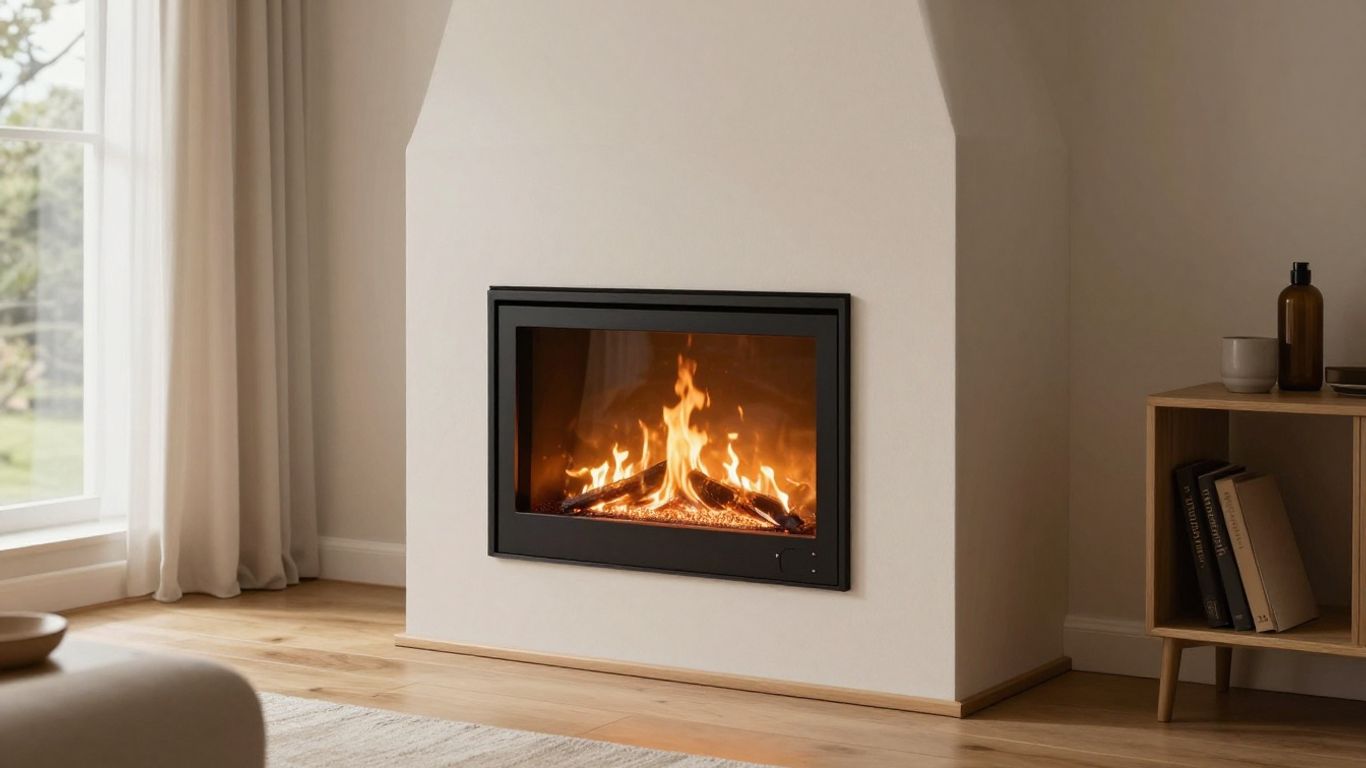
Rated heat output gives you a consistent figure to compare, but it is not a promise that every room will reach a particular temperature. For example, the Planika Polaris product page lists up to 3.5 kW of heat and adjustable flame heights. Compare that specification with other models’ stated output, and check what operating settings and conditions the manufacturer describes. The number is most useful when you treat it as one part of a larger picture, rather than as a direct measure of comfort.
What room size, insulation, and layout mean for comfort
The same fireplace can feel different in a compact, well-insulated room than in a large, open-plan space. Drafts, windows, ceiling height, and the distance between the flame and your seating area all affect how warmth is felt. A room’s layout also shapes the experience: a visible flame may add atmosphere across a space even when the heat is not evenly distributed. Compare your room with the manufacturer’s stated suitability guidance, and ask for advice if your layout is unusual.
How burn time and flame adjustment affect use
Burn time is most useful when you read it alongside the stated fuel capacity and burn rate, if supplied. The figures let you form a rough estimate, but actual use can vary by model and flame setting. This table shows which details to compare, rather than assuming one number tells the whole story.
| Specification | What it helps you assess | What to check |
|---|---|---|
| Fuel capacity | How much fuel the burner can hold | The model’s stated capacity and refueling instructions |
| Burn rate | How quickly fuel may be used | Whether the rate is given for a particular setting |
| Burn time | Approximate duration between refills | The conditions and settings behind the estimate |
Read those figures together and confirm them in the current manual. Where a model offers adjustable flame height, check whether the manufacturer explains how settings affect fuel use and operating time. That makes it easier to compare likely use with your routine, without treating an estimate as a guaranteed duration.
Why a biofuel fireplace may not replace primary heating
A fireplace’s rated output does not automatically make it a substitute for the heating system that keeps your home comfortable. Room layout and insulation influence how far the warmth reaches, and your household may need steady heat across multiple rooms. Think about whether your goal is supplemental warmth, a visible flame, or both. If you rely on a fireplace as part of a broader heating plan, get advice suited to your home rather than assuming a review describes your conditions.
Fireplace styles and installation options
Style affects more than appearance: it can determine where the fireplace sits, how you view the flame, and what preparation the space needs. Freestanding, wall-mounted, and built-in models have different installation considerations, so confirm the manufacturer’s requirements before choosing by looks alone. Some designs are intended for flexible placement, while others are made to become part of a wall or room feature. A careful review should describe the actual arrangement, not just the product in isolation.
Comparing freestanding, wall-mounted, and built-in models
Freestanding models can suit a room where you want the fireplace to remain a distinct piece of furniture, while wall-mounted and built-in designs call for attention to the wall, clearances, and installation instructions. The EcoSmart Frame is described as a built-in insert with zero-clearance construction for timber or metal stud walls, and is designed for indoor or outdoor installation. That product-specific detail is not a rule for other fireplaces; check the manual for the model you are considering. Think through the finished setting, including access for operation and cleaning, before committing to an installation type.
When a portable fireplace makes sense
A portable design may fit your plans if you want flexibility in where the fireplace is used, subject to the model’s stated indoor or outdoor suitability. Portability does not mean you can move a unit while it is operating or still hot; follow the manufacturer’s handling directions. Consider where it will be stored, whether its base will sit securely, and how you will keep the required clearance in each location. Those practical details can matter more than the convenience suggested by the word “portable.”
How burner size affects flame appearance and room fit
The burner and opening influence the scale of the flame feature, so compare the fireplace’s dimensions with the wall, furniture, or patio area around it. A broad flame may suit a larger feature wall, while a compact unit can be easier to place in a smaller room. Product photos can distort scale, so use the published measurements and, where possible, view the model beside familiar objects or in a showroom. Keep the required clearances in mind as you assess the visual fit.
What to check before choosing an indoor or outdoor model
Start with the product’s stated location suitability and installation instructions; do not assume that an indoor model can be used outside, or that an outdoor model suits every exposed setting. Look for guidance about shelter, wind, surfaces, and clearances where applicable. Then consider whether the fireplace will be protected from weather and whether you can operate it safely in the intended spot. A model that suits the room or patio on paper still needs to meet the manufacturer’s requirements in its actual location.
Fuel costs and ongoing ownership
The initial price is only one part of owning a bioethanol fireplace. You will also want to understand fuel use, fuel availability, routine cleaning, warranty coverage, and the cost or availability of replacement parts. These details are not always easy to compare in customer reviews, so check them against current product information and retailer terms. Thinking through ongoing care before buying can help you choose a model that fits your habits as well as your budget.
How to estimate bioethanol use from burn-rate information
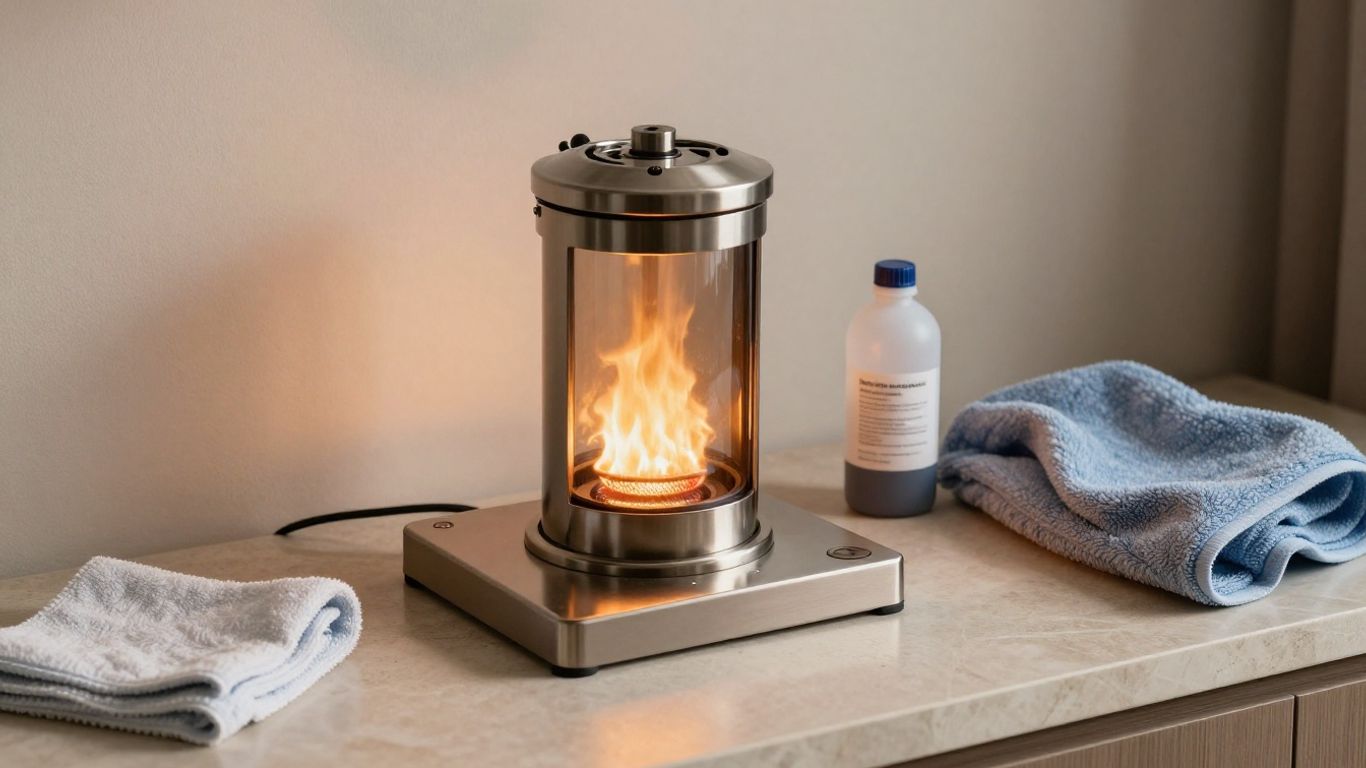
If the manufacturer gives a burn rate, you can use it to make a rough estimate of fuel use over the time you expect to operate the fireplace. First check the units and the setting associated with the figure; then compare that information with the stated fuel capacity and burn time. The Planika FLOGS page describes standard and FLOGS+ versions, with FLOGS+ offered for extended burn time. Confirm the current details for the model and configuration you are considering, since an estimate depends on how it is operated.
Comparing fuel prices and availability in New Zealand
Fuel prices and availability can change, so check current local options before you calculate ongoing cost. Confirm that fuel is specified for the fireplace and follow the manufacturer’s instructions about what to use and how to store it. When comparing sellers, look at the container size, price, delivery fees, and whether the product is available where you live. A low price per bottle may not be the best comparison if the quantity or delivery terms differ.
What maintenance the burner and surrounding surfaces need
Maintenance starts with following the model’s cleaning and inspection instructions, rather than applying a general routine to every burner. Check which surfaces need wiping, what the manufacturer says about cleaning products, and whether any components need periodic inspection. Keep the area around the fireplace tidy and attend to spills only as directed in the product manual. A simple care routine helps you avoid overlooking model-specific requirements.
How warranty terms and replacement parts affect long-term value
Read the warranty before purchase so you know what is covered, for how long, and what conditions apply. Ask whether commonly replaced components are available and how support is handled if you have a fault or need a part. Warranty length alone does not tell you how convenient a repair will be, so consider the process and any costs that may fall outside the terms. Keep your purchase records and the product documentation together for future reference.
Safety and suitability for New Zealand homes
A real flame calls for careful use, even when the fireplace is designed without a conventional chimney or flue. Suitability depends on the exact model, its installation instructions, and the room or outdoor setting where you plan to use it. Do not treat a review, a product photo, or a broad description as a substitute for manufacturer guidance. If you are unsure about a home-specific requirement, ask the retailer or a qualified professional before installation.
Checking ventilation and manufacturer installation requirements
Read the instructions for ventilation, clearances, installation, and operating conditions for the precise model you are considering. Requirements may vary between products, and a general statement about a fireplace type does not establish what is suitable for your room. The bioethanol trade-offs guide can help you frame questions about installation and safety, but use the manufacturer’s documentation for decisions about a specific unit. If the instructions are unclear for your home, pause and seek qualified advice rather than improvising.
Understanding refueling and ignition precautions
Follow the manual’s sequence for extinguishing, cooling, refueling, and relighting, including any waiting period the manufacturer specifies. Never assume that a burner is ready for fuel simply because a flame is no longer visible; check the instructions and ensure the unit is in the required condition. Use only the fuel specified for that model, and keep it away from heat and ignition sources as directed. If a procedure is not clear, get clarification before operating the fireplace.
Keeping children, pets, and combustibles at a safe distance
Plan the fireplace location around the people and objects in your home, including children, pets, curtains, furniture, and other combustible materials. Follow the clearances and supervision guidance in the product manual, and make sure household members know the fireplace is hot during and after use. A safety screen, if supplied, does not remove the need to follow operating instructions. Revisit the setup if furniture or the room’s everyday use changes.
Confirming whether the model suits your intended location
A fireplace’s stated indoor or outdoor suitability should match the place where you plan to use it. Check the documentation for limits related to exposure, surfaces, placement, and installation, and do not transfer instructions from a different model. For outdoor use, consider whether the specific location meets the manufacturer’s stated conditions. If a retailer or review gives conflicting information, ask for confirmation in writing before you buy.
How to compare models before buying
A shortlist is easier to assess when you decide what matters most before browsing every design. Start with the room, the kind of flame feature you want, and a realistic budget that includes more than the purchase price. Then compare like with like: output, dimensions, fuel information, installation requirements, and support. A little structure keeps a polished photo or a single persuasive review from carrying too much weight.
Build a shortlist around room, budget, and design needs
Write down the room or outdoor area, the approximate space available, and whether the fireplace is mainly for ambience, supplemental warmth, or both. Set a budget that accounts for fuel and any installation or delivery costs you may encounter. Then narrow the options to models whose stated location and installation requirements fit your plans. This gives you a manageable shortlist rather than a collection of attractive products that may not suit your home.
Compare specifications using the same criteria
A simple comparison sheet can make differences easier to spot, especially when product pages use different layouts. Record the same details for every model and note anything you still need to confirm with the retailer or manufacturer. Useful points to include are:
- Rated heat output and the settings associated with it.
- Fuel capacity, stated burn rate, and estimated burn time.
- Overall dimensions, installation type, and location suitability.
- Warranty terms, maintenance guidance, and replacement-part information.
Once those details are side by side, you can see where specifications are missing or not directly comparable. Follow up on gaps rather than filling them with assumptions, and use reviews to add lived experience to the facts. That combination is more dependable than comparing headline claims alone.
Ask retailers about testing, support, and returns
Ask what documentation is available for the exact model and whether support can clarify installation or operating questions. You can also confirm how warranty claims are handled and what the return terms say before purchase. If a claim in a review seems at odds with the product details, ask the retailer to explain the difference. Clear answers help you judge both the fireplace and the support you can expect as a customer.
Check current New Zealand pricing and delivery terms
Prices, stock, delivery charges, and payment terms can change, so verify them at the time you are ready to buy. Ask whether delivery includes the area where you live and whether any extra handling or installation costs apply. Confirm any payment offer’s eligibility and terms directly with the retailer. With the full cost in view, you can compare models on value without confusing a temporary offer with the ongoing cost of ownership.
Conclusion
The most useful reviews help you picture a fireplace in everyday use, but they work best alongside current specifications, installation guidance, and a realistic estimate of ongoing costs. Compare models against your room, routine, and budget, then confirm safety and suitability with the manufacturer before deciding. That way, you can choose a fireplace for the experience it can genuinely offer in your home.
Frequently Asked Questions
Do biofuel fireplaces need a chimney or flue?
Some biofuel fireplace models are designed to operate without a chimney or flue, but requirements vary by product. Check the manufacturer’s installation instructions for the exact model and your intended location.
How much heat does a biofuel fireplace produce?
Heat output depends on the model, and manufacturers may state a rated figure in the specifications. Room size, insulation, layout, and operating settings also affect how warm the space feels.
Can a biofuel fireplace heat an entire home?
You should not assume that one fireplace will provide even or sufficient heat throughout a home. Consider its stated output and your home’s heating needs, and seek advice if you are planning to rely on it for more than supplemental warmth.
How can I estimate running costs?
Check the current price of the specified fuel and the model’s stated burn rate. Use those details to estimate fuel use for your likely operating time, while allowing for variation in settings and use.
Is a biofuel fireplace suitable for outdoor use?
Only use a model outdoors if the manufacturer states that it is suitable for that location. Follow any instructions about placement, exposure, surfaces, and clearances.
What should I look for in a fireplace review?
Look for reviews with details about ownership duration, room conditions, installation, and frequency of use. Repeated, specific observations are generally more helpful than broad praise or criticism.
What safety information should I check before buying?
Read the model’s instructions for installation, ventilation, clearances, fuel, refueling, ignition, and maintenance. Ask the manufacturer or retailer to clarify any point you do not understand before operating the fireplace.