

Wall mounted bioethanol fireplace: how to choose, install, and use one safely
Key Takeaways
A wall mounted bioethanol fireplace can add a real flame without a chimney, but it still needs careful planning and operation. Use the model’s instructions as your guide, from choosing a location to handling fuel.
- Check burner capacity, heat output, and expected burn time before buying.
- Confirm the wall, clearances, and mounting method suit the specific model.
- Vent-free does not mean ventilation and indoor air quality can be ignored.
- Refuel only when the burner is fully cool, and use the specified fuel.
- Follow the manual for lighting, extinguishing, cleaning, and servicing.
How a wall mounted bioethanol fireplace works
A wall mounted bioethanol fireplace burns liquid bioethanol in a burner designed for that purpose. The flame is real, and the unit releases heat into the room rather than sending it up a chimney. Understanding the basic parts and the meaning of “vent-free” helps you decide where the fireplace belongs and what it can—and cannot—do.
How bioethanol fuel produces a flame
Bioethanol is a flammable alcohol fuel. When it burns in the fireplace’s burner, it produces a visible flame and heat; combustion also uses oxygen and produces carbon dioxide and water vapor. The flame’s size and the amount of heat depend on the burner design and how the unit is operated, so you should use the model’s specifications rather than assume all fireplaces perform alike.
What vent-free operation means—and what it does not
“Vent-free” means the fireplace does not require a chimney or flue to carry combustion products outside. It does not mean the unit has no effect on indoor air, or that every room is suitable. Room volume, ventilation, occupancy, and the manufacturer’s restrictions all matter. For a broader introduction to how bioethanol fires work, consider how the appliance fits the room as well as how it looks.
Key components, including the burner and mounting hardware
The burner holds and ignites the fuel, while the outer casing and any supplied glass or flame guard help define the appliance and its safe operating arrangement. Wall-mounted models also rely on mounting hardware matched to the fireplace’s weight and the wall substrate. Check which parts are included and whether the manual specifies a particular wall type or fixing method; a similar-looking bracket is not necessarily an approved substitute.
How to choose the right model for your space
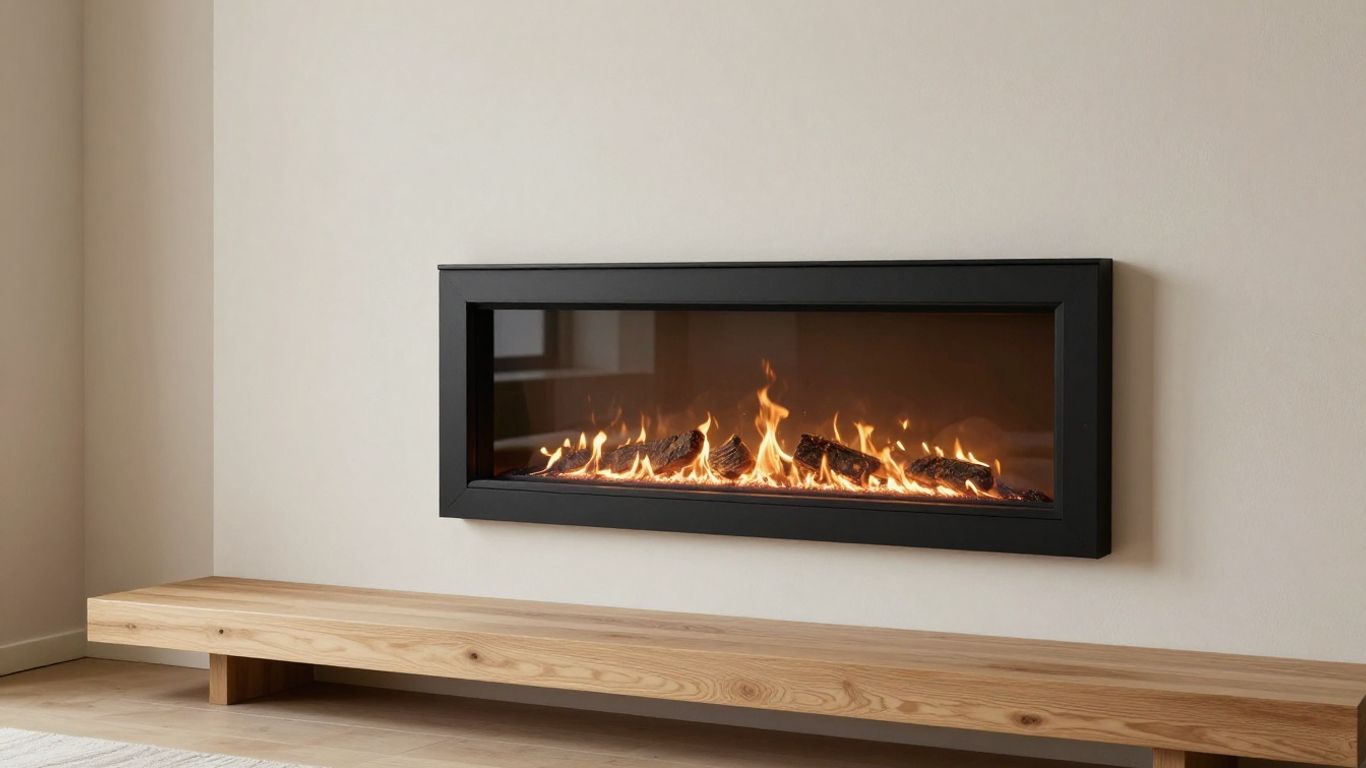
Start with the room and the way you expect to use the fireplace, not just the width of the feature wall. A real flame can make a room feel inviting, but a wall-mounted unit is generally a supplementary heat source rather than a replacement for your home’s main heating. Before you compare finishes, put the technical details side by side and make sure they suit your space.
Compare burner capacity, heat output, and burn time
Burner capacity indicates how much fuel the unit can hold; heat output and burn time help you understand what to expect while it is running. Compare the figures supplied for each model, and remember that a larger burner may use more fuel. For instance, the Planika NEO 750 is documented as offering two flame heights and up to six hours of burn time, but those details apply to that built-in model, not to wall-mounted fireplaces generally.
A simple comparison can keep the specifications from blurring together. Use the manufacturer’s published information for each candidate rather than treating these factors as interchangeable.
| What to compare | What it tells you | What to check |
|---|---|---|
| Burner capacity | Fuel the burner can hold | Capacity stated in the product specifications |
| Heat output | Heat produced while operating | The unit’s rated output and intended use |
| Burn time | Approximate operating duration | Whether the figure changes with flame setting |
| Fuel requirement | Fuel type intended for the appliance | Exact fuel instructions in the manual |
Then consider whether those figures fit the length of time you actually want to use the fire. A burner size guide can help frame the relationship between burner size and room choice, but the individual model’s rating remains the deciding reference.
Match the fireplace size and style to the room
A fireplace that dominates a small wall can make the room feel crowded; one that is too small may look lost among large furnishings. Measure the available wall area and look at the unit from the seats and walkways where you will see it most. Also consider whether you want a surface-mounted fireplace or a different form of fire feature: the EcoSmart Flex Single Sided, for example, is a built-in firebox designed for walls, cabinetry, or custom features, rather than a surface-mounted wall fireplace. Its documented options include 12 sizes and a front-facing flame.
Check fuel type, safety features, and manufacturer support
Before buying, verify the required fuel, lighting and extinguishing method, listed safety features, and the availability of instructions or service support. Do not assume that two models use the same fuel or operate in the same way just because both burn bioethanol. Read the operating instructions and the product’s safety guidance before purchase; practical safe fuel handling guidance is especially useful if you are new to this kind of appliance.
How to plan placement and installation
A good location gives the fireplace room to operate as designed and keeps people from brushing against it. Treat the installation manual as part of the product, not a document to skim after the holes are drilled. If any wall, clearance, or fixing requirement is uncertain, resolve that question before you buy or install the unit.
Verify wall material, clearances, and mounting requirements
Find out what the wall is made of and whether it can support the fireplace and its mounting hardware. Follow the model-specific mounting instructions, including the required fasteners, clearances, and any restrictions on wall finishes. A wall that appears solid from the surface may not provide the support the manufacturer requires, so do not guess about framing or anchors.
Keep the fireplace away from furniture, curtains, and traffic paths
The flame and heated surfaces need distance from combustible materials and from everyday movement through the room. Check all clearance measurements in the manual, including those above and around the unit, rather than relying on a general rule of thumb. Also consider what may be placed nearby later: a chair moved closer, a curtain that shifts in a draft, or seasonal decorations can change the risk around a fireplace.
Follow product instructions and local building and fire codes
Installation requirements can vary by product and jurisdiction, so the manual and local rules both matter. If the installation is complex or the wall needs modification, consult a qualified installer and check whether local building or fire requirements apply. A built-in product is not automatically interchangeable with a wall-mounted unit: for example, the EcoSmart BE is described as a freestanding, double-sided fireplace for indoor or covered outdoor spaces, not as a wall-mounted model.
What to know about indoor air quality and fire safety
A vent-free fireplace has no flue to remove combustion products, so indoor conditions deserve deliberate attention. Use the appliance only in spaces permitted by its manufacturer, and do not treat the absence of smoke or a chimney as proof that ventilation is irrelevant. Keep the fuel and flame under control at every stage, including when the fire is out but the burner is still warm.
Understand ventilation and indoor air considerations
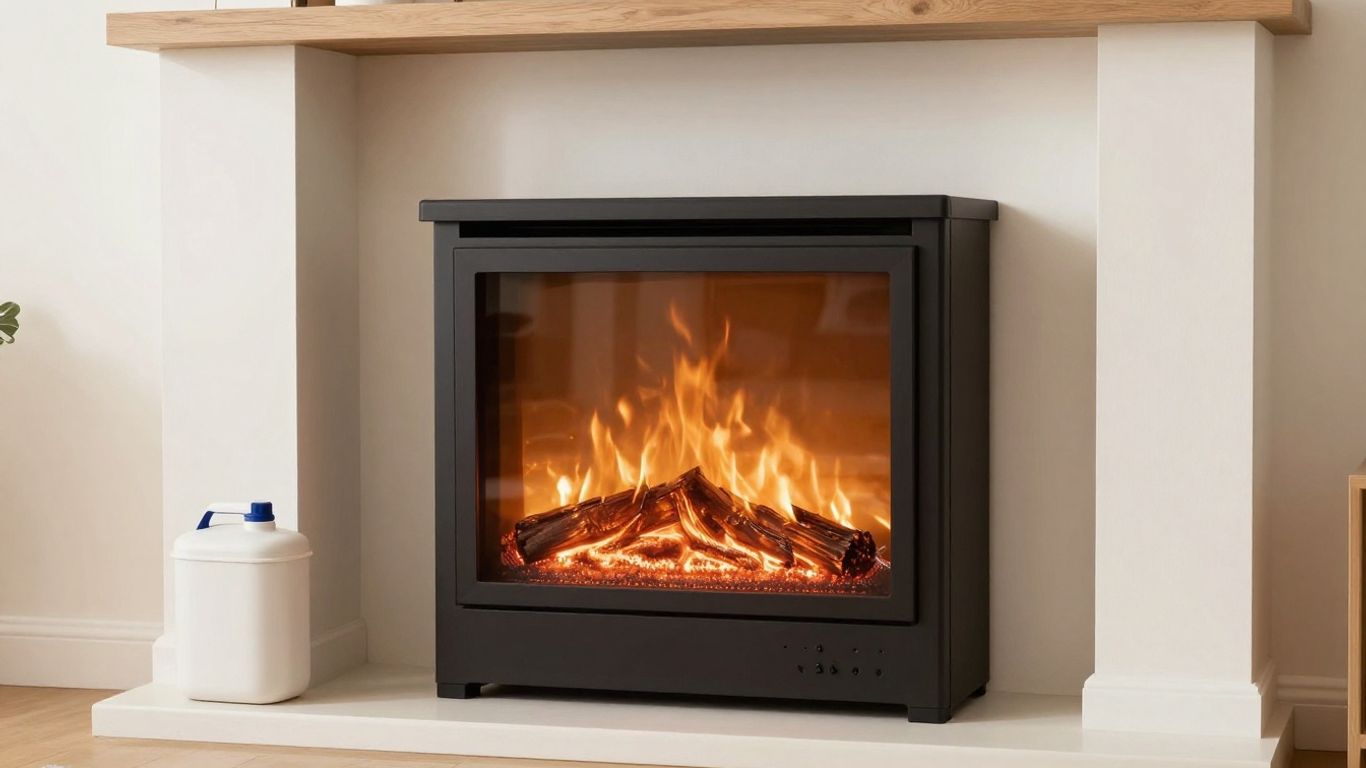
Combustion consumes oxygen and releases carbon dioxide and water vapor into the room. Follow the manufacturer’s directions about room size and ventilation, and avoid operating the unit in a space the instructions exclude. If the room feels stuffy or anyone experiences discomfort, extinguish the flame as directed and get fresh air. For more detail on choosing and using a unit, consult the manufacturer’s indoor-air guidance and the operating manual.
Store and handle bioethanol fuel safely
Keep fuel in its original, closed container and store it away from heat, direct flame, and areas where children or pets can reach it. Pour only the fuel type specified for the fireplace, and clean up any spill according to the fuel and appliance instructions before lighting. A short routine makes handling safer and more consistent:
- Keep the fuel container closed when it is not in use.
- Move fuel away from the fireplace before lighting it.
- Use the designated filling tool or method if the manual specifies one.
- Keep children and pets away from fuel, the burner, and the flame.
After filling, return the fuel container to its safe storage place and check the area before ignition. Do not keep spare fuel beside a lit or hot appliance.
Prevent flare-ups by refueling only when the burner is cool
Never add fuel to a lit burner or one that is still hot. Extinguish the flame using the method in the manual, then wait for the burner to cool completely before refilling; residual heat can ignite fresh fuel or its vapors. If you are unsure whether it has cooled, wait longer rather than taking a chance.
How to operate a wall mounted bioethanol fireplace
The safest routine is a deliberate one: prepare the room, inspect the appliance, light it as instructed, and give it your attention while it burns. Keep the operating instructions accessible, especially if more than one person in your home may use the fireplace. Never improvise with fuel, lighting tools, or flame adjustment.
Prepare the room and inspect the burner before lighting
Before lighting, make sure the fireplace is installed as directed and that the area around it is clear of combustible items. Check that the burner is clean, dry, and undamaged, and confirm there is no spilled fuel. Ensure the required fuel is available and that children, pets, and loose objects are at a safe distance. If anything looks wrong, leave the fireplace off until you have checked the manual or contacted the manufacturer.
Light, adjust, and extinguish the flame as directed
Use only the lighting and extinguishing procedure supplied with the unit. Keep your face, hands, and clothing away from the burner when lighting, and use any supplied tools as instructed. Adjust the flame only in the manner allowed by the design. The YouTube video below can serve as a visual introduction, but it does not replace the instructions for your specific fireplace.
Stay in the room and keep the flame in view while the fireplace is operating. When you are ready to extinguish it, use the specified method and confirm that the flame is fully out before you leave or approach the burner to refuel.
Respond safely to spills, unusual odors, or a fire emergency
If fuel spills, do not light the fireplace; follow the cleanup instructions for the fuel and appliance, and allow the area to clear before use. An unexpected odor, a flame behaving differently from the manual’s description, or visible damage is a reason to stop operating the unit and seek guidance. In an emergency, prioritize people’s safety, leave the area if needed, and contact local emergency services; do not attempt a response that puts you at risk.
How to maintain the fireplace and estimate running costs
Maintenance is usually less about elaborate cleaning and more about careful inspection and following the right schedule. The manufacturer’s manual determines which products and methods are safe for the burner and finish. For running costs, fuel consumption and the frequency of use matter more than the fireplace’s appearance or advertised flame size.
Clean the burner and exterior without damaging finishes
Let the appliance cool fully and follow the manual before cleaning. Use only the recommended method for the burner and exterior; abrasive pads or unapproved cleaners can damage surfaces or leave residue near the flame. Keep the burner openings and any moving parts clear, and check for corrosion, deformation, or signs of impact while you clean.
Monitor fuel use, replacement parts, and ongoing expenses
Estimate ongoing costs by tracking how much fuel you use during a typical session and how often you expect to run the fireplace. Add any model-specific replacement parts or servicing that the manufacturer recommends, and compare that total with your intended use. Published burn time is an estimate tied to the model and its operating conditions, so your own usage record will give you a more useful budget over time.
Recognize when the unit needs servicing or should be retired
Stop using the fireplace if the burner, casing, mounting hardware, or safety components are damaged or do not work as described. Do not try to repair a fuel-burning appliance with improvised parts; contact the manufacturer or a qualified service provider to find out whether it can be safely repaired. If the unit cannot be restored to its required condition, retire it according to local disposal guidance.
Conclusion
A wall mounted bioethanol fireplace can be a striking addition when the model suits the room and you plan for its real flame, fuel, mounting, and indoor-air needs. Compare the specifications, follow the installation and operating instructions closely, and make safe fuel handling part of every use.
Frequently Asked Questions
Does a wall mounted bioethanol fireplace need a chimney?
Most models described as vent-free do not require a chimney or flue, but you should confirm the installation requirements for the specific fireplace you choose.
Can a bioethanol fireplace heat an entire room?
Heat output varies by burner and model. These fireplaces are generally best treated as supplemental heat and ambiance rather than as a replacement for a home’s main heating system.
Does vent-free mean there is no indoor air impact?
No. Burning fuel uses oxygen and releases combustion products into the room. Follow the manufacturer’s ventilation and room-size guidance.
How much does it cost to run a bioethanol fireplace?
Costs depend on fuel price, burner consumption, operating time, and any required maintenance or replacement parts. Check the model’s specifications and track your own use to estimate expenses.
Can you refill a bioethanol fireplace while it is warm?
No. Extinguish the flame and wait until the burner is fully cool before refilling, following the instructions for the specific model.
What should you check before mounting the fireplace?
Confirm the wall material, its ability to support the unit, the approved mounting method, and all clearances listed in the installation manual. Check local requirements as well.
How often should you clean a bioethanol fireplace?
Follow the manufacturer’s maintenance schedule. Clean only when the unit is fully cool and use the recommended method to avoid damaging the burner or finish.