

Outdoor biofuel fireplace: How to choose and use one safely
Key Takeaways
An outdoor biofuel fireplace can bring a real flame to your patio, but the right choice depends on your space, the manufacturer's instructions, and how you plan to use it.
- Bioethanol burns in a burner to produce a real flame; “ventless” does not mean risk-free.
- Choose a freestanding, tabletop, or built-in design to suit your layout and intended use.
- Compare heat output, dimensions, materials, fuel capacity, and expected burn time before buying.
- Place and operate the fireplace as directed, keeping it clear of people, furnishings, and structures.
- Follow the manufacturer’s guidance for fueling, cleaning, weather protection, and storage.
How an outdoor biofuel fireplace works
An outdoor biofuel fireplace uses liquid bioethanol in a burner to create a real flame. Its self-contained design can make it an option where adding a chimney or flue is impractical, but it still needs careful placement and operation. Knowing what happens at the burner helps you compare models and understand their limits.
How bioethanol produces a real flame
Bioethanol is a liquid fuel, but it is the fuel vapor that burns above the burner. When lit, that vapor creates a visible flame and releases heat. The flame is real, so you should treat the appliance as an open fire and keep people and combustible items at a safe distance.
For a clear introduction to the basics, read this guide to bioethanol fireplace basics. The important point is that the fuel and burner work together: the model’s instructions determine how it should be lit, extinguished, and handled.
The role of the burner and fuel reservoir
The burner holds the fuel and provides the area where it is ignited. Capacity and burner design vary, so a larger reservoir does not automatically mean a better fit; the model’s stated burn time and flame settings matter too. Check the manufacturer’s specifications rather than estimating how long a fill will last from appearance alone.
Some burners are separate inserts, while others are part of a complete fireplace. In either case, follow the model-specific instructions for filling and lighting, and never assume that one burner’s procedure applies to another.
What “ventless” means outdoors
“Ventless” generally means the fireplace does not require a chimney or flue to carry exhaust away. It does not mean the flame is harmless, or that every outdoor location is suitable. Wind, nearby materials, overhead structures, and the product’s stated installation requirements all affect whether a particular spot is appropriate.
Treat “ventless” as a description of the installation, not a shortcut around the manual. If a location is sheltered or partly enclosed, check the manufacturer’s instructions before using the fireplace there.
Types of outdoor biofuel fireplaces
Outdoor models range from portable-looking pieces to fireplaces designed to become part of a patio or outdoor kitchen. Your choice will affect where the fire can sit and whether you can move it later. Look for models whose stated use matches your intended location, especially if the area has a roof or other cover.
Freestanding models for flexible placement
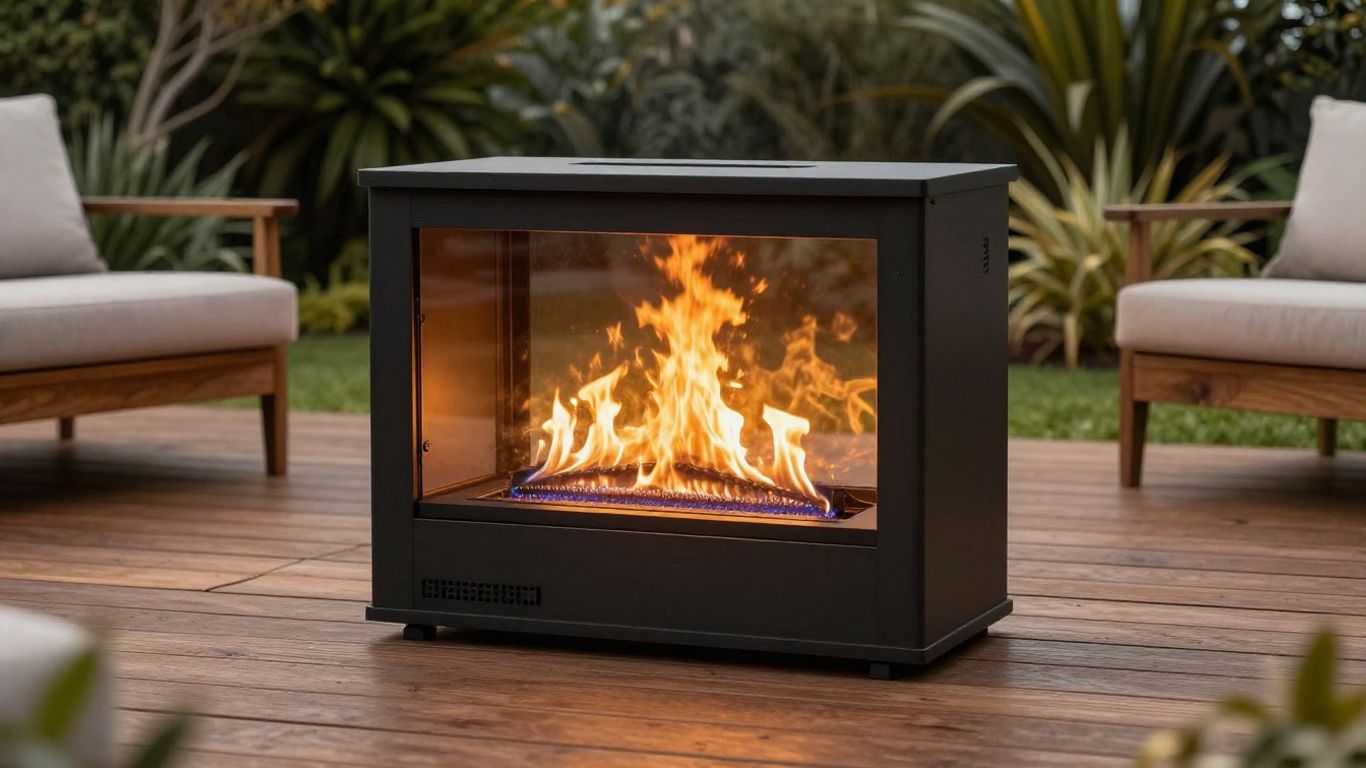
A freestanding fireplace can serve as a focal point without being built into a wall or counter. Check its footprint, weight, and instructions for outdoor use before deciding where it belongs; “freestanding” does not necessarily mean it can be moved while hot or operating. For a double-sided designer fire specified for indoor and covered outdoor spaces, the EcoSmart BE is one example to compare against your needs.
If you are weighing different freestanding shapes and placements, this overview of freestanding ethanol styles can help you think through the range of designs. The key is to judge flexibility by the product’s own directions, not by the category name alone.
Tabletop designs for smaller gatherings
A tabletop model can suit a compact seating area, but it still needs a stable, level surface and adequate clearance. Consider who will be seated nearby, how the flame might be exposed to wind, and whether the surface can tolerate the fireplace’s heat. A smaller format should not be treated as a candle or moved casually while lit.
For a compact fireplace described for coffee tables, patios, and custom furniture, Planika Rondo is a product example. Check its installation and use instructions carefully to confirm that your specific table and setting are suitable.
Built-in fireplaces for patios and outdoor kitchens
A built-in model can be incorporated into a planned patio feature, but it calls for more careful coordination than simply setting a fireplace on a surface. Confirm the opening dimensions, materials, clearances, and installation instructions before construction begins. A fireplace listed for outdoor installation still needs to be installed in accordance with its requirements.
The EcoSmart Frame Bioethanol Firebox is described as a modern built-in insert suitable for indoor and outdoor installations. Treat that as product-specific information, and verify that the model and proposed location match before committing to a design.
How to choose the right fireplace
Start with the way you expect to use the fireplace: a small gathering spot has different needs from a broad patio or a planned outdoor kitchen. Then compare the product’s specifications with the space you actually have, including the area around the flame. A measured decision is more useful than choosing by appearance alone.
Match the heat output to your outdoor space
Heat output gives you a basis for comparison, but outdoor conditions can make warmth feel different from one evening to another. Wind, the openness of the patio, and how close people sit all affect comfort. Use the manufacturer’s stated output and intended-use guidance rather than assuming a fireplace will heat a particular area.
As you compare models, keep the figures and context together. A burner sizing guide can help you consider heat output alongside space requirements, while the product’s own specifications remain the final reference for that model.
Compare size, materials, and design
A fireplace needs to fit both the available space and the way people move through it. Compare the overall dimensions, the surface it will sit on or fit into, and the materials specified for outdoor use. The quick comparison below is a starting point; it does not replace a model’s installation instructions.
| Design | Space to assess | Useful question before buying |
|---|---|---|
| Freestanding | Footprint and surrounding clearance | Can it sit securely without blocking circulation? |
| Tabletop | Table surface and nearby seating | Is the surface stable and suitable for the fireplace? |
| Built-in | Opening, support, and surrounding construction | Do the plans meet the model’s installation requirements? |
Use the table to narrow the style, then check the exact dimensions and materials for the product you are considering. Outdoor suitability is not a blanket promise that a fireplace can tolerate every exposure or construction detail.
Check fuel capacity and expected burn time
Fuel capacity and burn time help you plan how often you may need to replenish the fireplace, but the figures depend on the model and its operating settings. Check whether the stated time is tied to a particular flame level, and do not treat a quoted maximum as a guaranteed result in every use. The manual and product specifications are the best guide to expected operation.
Think about how long you usually host and whether you are comfortable managing fuel safely. A smaller reservoir may be adequate for occasional use, while longer sessions may make capacity a more important comparison point.
Where to place your fireplace
Placement shapes both how the fireplace works for your gathering and how safely you can use it. Pick a location that follows the manufacturer’s clearance and installation instructions, rather than relying on a general rule of thumb. Take a moment to consider the whole area, including what is above and around the flame.
Choose a stable, level surface
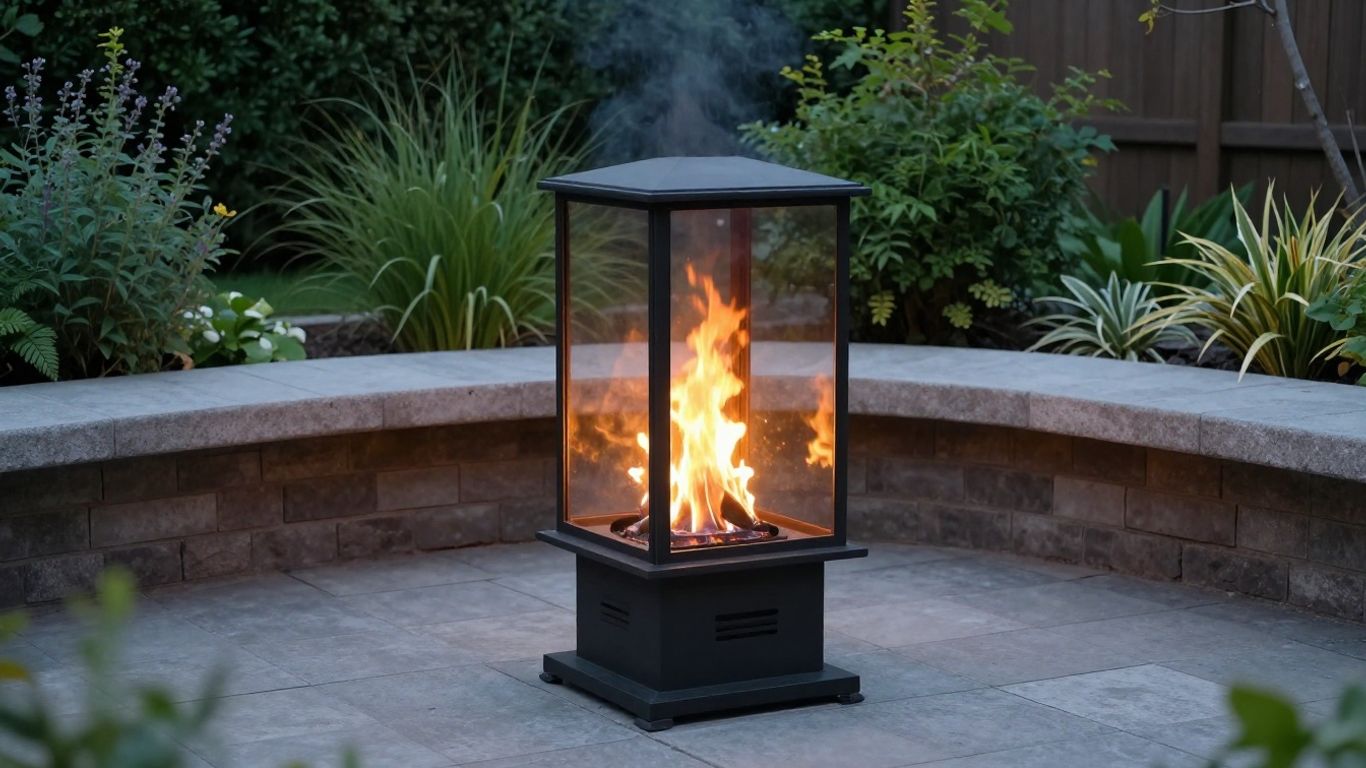
A fireplace should sit on a firm, level surface that can support it without wobbling or shifting. Check that the base is secure and that people are unlikely to bump it as they pass. If the model is designed for a built-in setting, follow its installation requirements instead of treating it like a portable unit.
Allow clearance from structures and furnishings
Keep the fireplace away from furnishings, plants, curtains, and other materials that could catch fire, following the distances specified by the manufacturer. Think beyond the nearest chair: cushions, umbrellas, and decorative items can shift or be moved closer during a gathering. Leave enough space that people can pass without brushing against the appliance.
Before settling on a spot, walk through the area and check these practical details:
- Keep the fireplace away from doors, walkways, and common traffic paths.
- Move cushions, throws, and other loose items well clear of the flame.
- Confirm that nearby walls and overhead features meet the product’s clearance rules.
- Choose a place where children and pets can be kept at a safe distance.
These checks are a useful first pass, not a substitute for the product’s specified clearances. If the manual requires more room, use the greater distance.
Account for wind, weather, and overhead cover
Wind can disturb a flame and may affect where you can use a particular model. Rain and seasonal weather can also damage some materials or complicate storage, so check what the manufacturer recommends for outdoor exposure. Covered patios need extra attention: confirm the instructions explicitly allow the fireplace to be used in the proposed setting.
A spot that seems sheltered may still have nearby surfaces or overhead features that affect safe operation. When conditions change, follow the manual’s direction on whether to extinguish the flame and protect or store the unit.
Fueling and operating it safely
A bioethanol fireplace is straightforward to understand, but safe use depends on careful handling of fuel and an open flame. Read the product instructions before the first use, and keep them available for reference. For further practical precautions, consult this bioethanol fireplace safety guidance.
Use only the fuel specified by the manufacturer
Fuel types are not interchangeable just because they look similar. Use only the fuel specified for your model, and store it as directed, away from the operating fireplace and other heat sources. Keep fuel containers closed when not in use and follow their labels as well as the fireplace manual.
Refill only when the burner is cool and extinguished
Never add fuel to a lit, hot, or recently used burner. Follow the manufacturer’s extinguishing and cooling instructions, and check that the flame is fully out before handling the reservoir. A careful routine helps prevent spills and accidental ignition.
A short pre-use and refill check can make the steps easier to remember:
- Confirm the fireplace is extinguished and cool before refilling.
- Use only the fuel specified for the model.
- Avoid overfilling and clean up any spill as directed before lighting.
- Keep fuel containers away from the flame and close them after use.
Follow the specific sequence in your manual, including any waiting period it gives before refilling. If fuel spills or the burner does not behave as expected, do not light it; follow the manufacturer’s guidance first.
Keep a suitable fire extinguisher nearby
Keep an appropriate fire extinguisher accessible, and make sure the people using the patio know where it is. Check the fireplace instructions for the recommended way to extinguish the flame; do not improvise with water or an unsuitable tool. If the fire cannot be controlled safely, move away and contact emergency services.
Care and ongoing costs
Care requirements depend on the fireplace’s materials and the manufacturer’s instructions. Regular attention can help you spot residue, wear, or weather exposure before the next use. Fuel is an ongoing expense, so consider likely use as well as the initial purchase when comparing models.
Clean the burner and exterior as directed
Wait until the fireplace is extinguished and cool before cleaning it. Use only the cleaning method and products recommended by the manufacturer, and avoid altering the burner or using tools that could damage it. If you notice damage or an unusual change in operation, stop using the fireplace and seek guidance from the supplier or manufacturer.
Protect the fireplace from rain and seasonal weather
Check whether the model is intended for uncovered outdoor use or needs protection when not in use. Follow the instructions for covering, storing, or moving it, and make sure any cover is used only when the fireplace is fully cool. Seasonal storage can also be a good time to inspect the unit and review its care requirements.
Estimate fuel use and replacement costs
To estimate running costs, consider the fuel price where you live, the model’s stated consumption or burn time, and how many hours you expect to use it. Actual use can vary with the model’s settings and your routine, so a single advertised figure will not tell the whole story. Include any recommended care or replacement items in your budget, and check their costs before buying.
Comparing these recurring costs alongside the purchase price gives you a more realistic picture of ownership. If the numbers are uncertain, ask the retailer or manufacturer which specifications apply to the exact model you are considering.
Conclusion
The best outdoor biofuel fireplace is one that suits your space and your plans, with clear instructions you can follow every time you use it. Compare the design and specifications carefully, choose a location that meets the manufacturer’s requirements, and treat fueling and flame management as part of the experience—not an afterthought.
Frequently Asked Questions
Can you use a biofuel fireplace outdoors?
Some models are intended for outdoor use, while others may have restrictions or require a covered setting. Check the product’s instructions for the exact conditions allowed.
Does a ventless fireplace need a chimney?
A ventless model generally does not require a chimney or flue, but this does not mean it can be used in every location. Follow the manufacturer’s guidance on placement and clearances.
How do you choose the right size fireplace?
Compare the fireplace’s dimensions and stated heat output with the space and intended use. Also allow for the required clearances and the way people move around the area.
How long does bioethanol fuel last?
Burn time varies by model, fuel capacity, and operating settings. Use the manufacturer’s stated figures for the fireplace you are considering, and treat them as estimates rather than guarantees.
Can you refill a bioethanol fireplace while it is warm?
No. Follow the manufacturer’s directions and refill only when the fireplace is extinguished and the burner has cooled as instructed.
What should you do if fuel spills?
Do not light the fireplace. Follow the product and fuel instructions for cleaning up the spill, and make sure the area is safe before using the appliance again.
How should you protect an outdoor fireplace from weather?
Use the protection and storage methods recommended for that model. Check whether it is suitable for uncovered exposure, and only cover or store it once it is fully cool.