

Biofuel fireplaces New Zealand homeowners should know about: A practical buying and safety guide
Key Takeaways
Biofuel fireplaces can add a real flame and some warmth, but they are not automatically a substitute for your main heating. Before buying, check how the model is designed to be used, what its manual requires, and whether its fuel and ongoing costs suit your home.
- Bioethanol burns in a burner to create a visible flame; a flue-free design still needs suitable ventilation.
- Freestanding, built-in, wall-mounted, tabletop, and outdoor models have different placement needs and uses.
- Use a model’s heat-output and room guidance as a starting point, not a promise of uniform warmth.
- Compare fuel consumption and local fuel prices to estimate running costs before you buy.
- Follow the manufacturer’s instructions for clearances, ventilation, lighting, extinguishing, and refilling.
How biofuel fireplaces work
Biofuel fireplaces use liquid bioethanol in a burner to create a real flame. The lack of a conventional flue can make placement more flexible, but it does not remove the need to understand combustion, ventilation, and safe operation. If you are new to this type of fire, it helps to think of it as both a heating appliance and an open flame that needs careful handling.
What bioethanol fuel is and how it burns
Bioethanol is an alcohol-based liquid fuel intended for compatible ethanol burners. When it burns, it produces heat, water vapor, and carbon dioxide; combustion also uses oxygen from the room. That is why the correct fuel, the burner’s capacity, and the room’s ventilation all matter. Never assume that a fuel is suitable just because it is described as an alcohol or biofuel product—check the fireplace manufacturer’s instructions.
How a burner produces a visible flame without a flue
Fuel sits in a burner or reservoir, where it is lit according to the model’s instructions. The flame comes from the burning fuel itself, rather than from a log fire or a simulated electric effect. A flue-free design does not mean that nothing enters the room: combustion products remain indoors, so you need to follow the manufacturer’s ventilation guidance and avoid using the fire in a room that is unsuitable for it.
What to expect when lighting, extinguishing, and refilling
Lighting and extinguishing methods vary by burner. Some models are operated manually, while others have controls; the manual for your specific fireplace is the authority. Refilling is a separate step, and it should only happen after the flame is fully out and the burner has cooled. Spilled fuel can ignite, so use the supplied or recommended accessories and take your time rather than topping up a burner during use.
How biofuel fireplaces differ from gas, wood, and electric models
A biofuel fireplace burns liquid fuel, while a wood fire burns solid fuel, a gas fireplace relies on a gas supply, and an electric model creates a flame effect without burning fuel. Their installation needs, ventilation arrangements, maintenance, and heat characteristics therefore differ. If you are weighing up two fuel types, this fireplace comparison guide can help frame the questions to ask about installation, fuel supply, and use in your space.
A video can help you recognize the basic parts of a burner, but it cannot replace your model’s operating manual. Treat demonstrations as a visual introduction, then check the instructions supplied with the exact fireplace you are considering.
Types and placement options
The form of a biofuel fireplace affects where it can go, how permanent the installation feels, and what kind of flame you see from the room. Start with the space you have and whether you want a movable feature or a lasting architectural one. Then check that the specific model is rated for the place you have in mind; indoor and outdoor use are not interchangeable assumptions.
Freestanding fireplaces for flexible room layouts
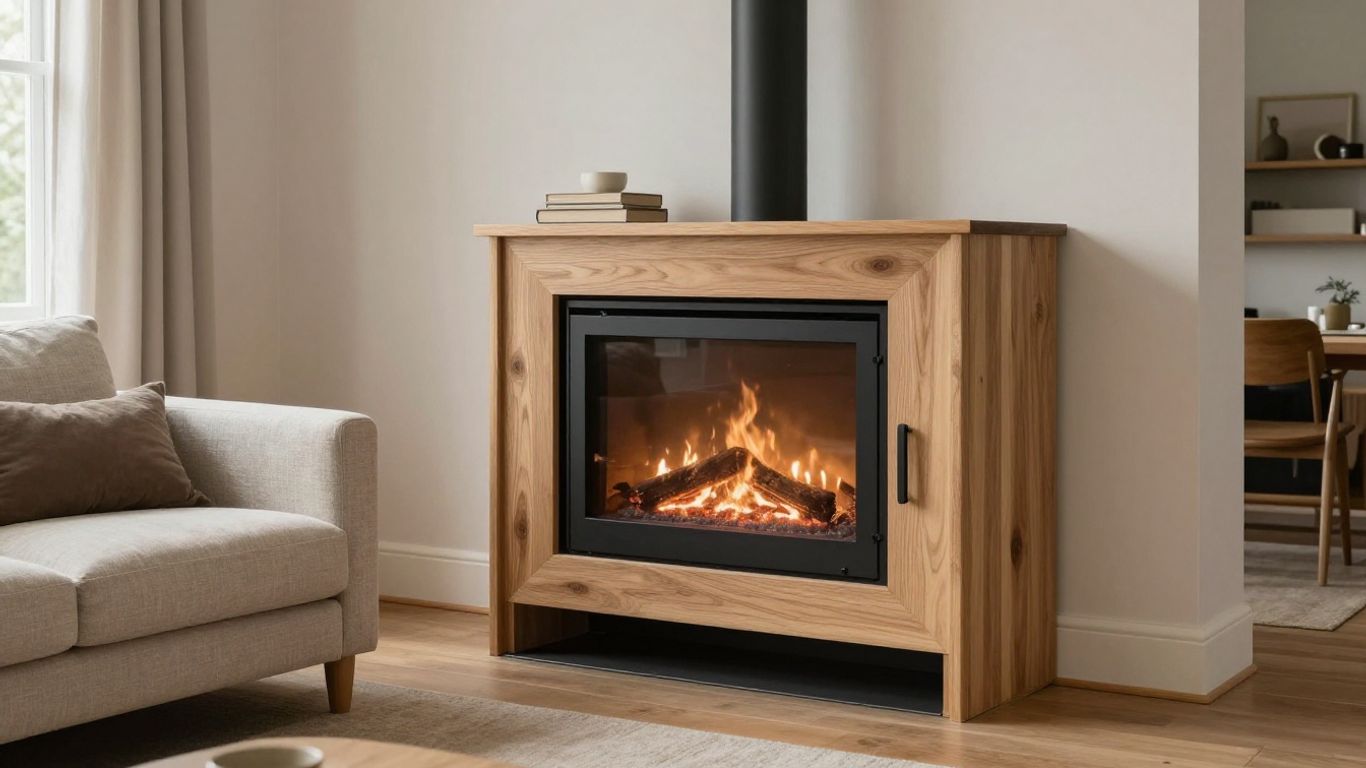
Freestanding models can suit a layout where you want a fireplace without building it into a wall. “Freestanding” does not necessarily mean that a unit is designed to be moved while operating, or even moved frequently. Check its weight, clearances, floor requirements, and whether the manufacturer describes it as portable. For example, the EcoSmart Fire range includes bioethanol fireplaces, fire pits, and fire tables; check each model’s instructions to confirm its intended placement and use.
Wall-mounted and built-in designs for permanent features
A wall-mounted fireplace can make a deliberate focal point, while a built-in model becomes part of a wall or joinery design. These options call for careful planning before work begins: the opening, surrounding materials, clearances, and access for servicing all need to match the product instructions. EcoSmart Flex Fireboxes are built-in bioethanol fireplaces, so if you are considering a permanent feature, ask the supplier for the installation requirements for the exact firebox and proposed construction.
Tabletop models and their limits as heat sources
Tabletop units are generally chosen for a small decorative flame and can be easier to place than a full-size fireplace. Their scale means you should not assume they will heat a room in the same way as a larger burner. Keep them on a stable, heat-resistant surface, away from edges and combustible objects, and follow the instructions for the model. If warmth is a key reason for buying, look beyond appearance and ask for the rated output and room guidance.
Indoor and outdoor models: checking the intended use
A model described for outdoor use may not be suitable indoors, and an indoor model should not be exposed to weather unless its instructions allow it. Wind, rain, and surrounding materials can affect flame behavior and safe placement outdoors. At home, review whether the fire is intended for a covered patio, an open deck, or an interior room; those distinctions matter. The indoor and outdoor fireplace range is a useful place to compare product categories, but the model’s own guidance should settle where it can be used.
Heat output and suitability for your home
A visible flame can make a room feel inviting, but how much warmth reaches you depends on the fireplace, the room, and how you use the space. Treat advertised heat output as one part of the decision rather than a guarantee that a model will heat every layout effectively. You will get a more realistic picture by comparing output and room guidance with your home’s size, insulation, and airflow.
How to interpret a model’s heat output and room-size guidance
Heat output is usually stated in kilowatts, but a number on its own does not tell you how evenly a room will warm up. Use any room-size recommendation as a guide from the manufacturer and ask what assumptions it makes about ceiling height, insulation, and ventilation. The table below is a practical way to organize a comparison; it is not a substitute for product specifications.
| What to compare | What to check | Why it matters |
|---|---|---|
| Heat output | The model’s stated rating | Helps compare expected output between models |
| Room guidance | The stated room size or suitability | Gives context for the rating |
| Burner capacity | Fuel capacity and consumption details | Affects burn duration and refuelling frequency |
| Room conditions | Insulation, ceiling height, and drafts | Influences how warm the space feels |
Once you have those details, compare models under similar assumptions. A room-size figure should not be read as a guarantee, especially if your space is open to other rooms or has persistent drafts.
When a fireplace can supplement existing heating
A biofuel fireplace may be suitable as an occasional source of extra warmth or as a way to enjoy a visible flame while your existing heating remains available. Whether it can meaningfully supplement your system depends on the model and the space. If you need reliable heat throughout a large home, ask a qualified heating professional whether this type of appliance fits that need rather than relying on appearance or a single output figure.
Why open-plan layouts and drafts affect perceived warmth
In an open-plan home, warmth can disperse beyond the area where you sit, so the space may feel less warm than a smaller enclosed room with the same fireplace. Drafts and frequent air movement can also change how comfortable the flame’s heat feels. Before choosing, consider where people will sit, whether doors or windows create airflow, and whether the fireplace can be positioned to serve the area you actually use.
What to consider in well-insulated or smaller homes
In a smaller or well-insulated room, a high-output model may make the space uncomfortably warm if it is used for too long. Check whether the fire offers settings or controls that suit your intended use, and follow the manufacturer’s room guidance. If you are unsure, ask the supplier how the model is meant to be used in a space like yours; a clear answer is more useful than guessing from the fireplace’s dimensions.
Fuel, running costs, and maintenance
The purchase price is only part of the decision: fuel use and basic care shape what ownership is like over time. Consumption depends on the burner and how long you run it, so look for model-specific information rather than relying on a general estimate. A little planning before you buy can help you compare the overall cost and avoid choosing fuel that is not approved for your fireplace.
Comparing fuel consumption across burner sizes
A larger burner may use fuel at a different rate from a smaller one, and burn time also depends on the model and operating conditions. Ask for the stated consumption rate and fuel capacity, then compare them with how often and how long you expect to use the fire. The important point is to compare like with like: a larger flame or longer session may require more fuel, but the model’s specifications should guide your estimate.
Estimating ongoing costs using local fuel prices
You can make a useful estimate with two details: the manufacturer’s fuel-consumption figure and the price of the compatible fuel available to you. Multiply the amount used per hour by your likely hours of use, then apply the local price per liter. Because fuel prices and actual usage vary, treat the result as a planning estimate, not a fixed bill. For questions about typical fuel use and costs, the bioethanol fireplace FAQs offer another set of practical topics to check as you compare models.
Choosing compatible fuel and storing it safely
Use only fuel specified as suitable by the fireplace manufacturer. Keep fuel in its original, closed container and store it away from heat, flames, and children, following the label’s storage directions. Do not pour fuel from one container into another unless the instructions explicitly permit it, and clean up any spill before lighting the fireplace. If the fuel label or product guidance is unclear, ask the supplier before use.
Cleaning the burner and checking components between uses
Wait until the fire is out and fully cool before cleaning or inspecting it. Follow the manual for approved cleaning methods, and do not use abrasive products or tools that might damage the burner or finish. Between uses, check that the burner and any screens or controls appear intact, and stop using the fireplace if a component is damaged or does not operate as expected. Regular, simple checks help you spot a problem before the next lighting.
Safety, ventilation, and installation
Safe use begins before the first flame: you need the right location, a suitable room, and a clear understanding of the operating instructions. Even a model that does not need a conventional flue has requirements for clearances and ventilation. If you are comparing guidance, this bioethanol safety guidance covers responsible use and the importance of following the manual.
Following the manufacturer’s clearance and installation instructions
Keep the required distance from walls, furniture, curtains, and other combustible materials, and install the fireplace only as instructed for its model. Built-in installations need particular care because the surrounding structure and materials must meet the product’s specifications. Do not assume that one model’s clearance or installation method applies to another. Before making changes to a wall or room, confirm the requirements with the supplier and installer.
Allowing for ventilation and indoor air quality
Combustion uses oxygen and releases products into the room, so use the fireplace only where the manufacturer’s ventilation instructions can be met. Do not block vents or use a fire in a small, poorly ventilated space unless the model’s instructions explicitly allow it. If you are unsure whether a room is appropriate, seek advice before installation. A flue-free fireplace is not the same as an appliance that has no effect on indoor air.
Refilling only when the burner is cool and fully extinguished
Never add fuel to a lit or hot burner. Extinguish the flame using the method provided, wait until the burner has cooled, and then refill according to the manual. Take care not to overfill, and wipe up any spilled fuel before relighting. These steps may feel slow when you are ready to use the fire, but rushing a refill is an avoidable risk.
Using carbon monoxide alarms and keeping children and pets at a distance
Keep children and pets away from the flame and hot surfaces, and do not leave a lit fireplace unattended. Use carbon monoxide alarms as appropriate for your home and follow their instructions for placement and testing; an alarm is not a replacement for correct ventilation or safe operation. A practical pre-use check can help make safe habits routine:
- Confirm that the fireplace and burner are undamaged and correctly positioned.
- Move combustible items, children, and pets away from the fire.
- Check that the room meets the manufacturer’s ventilation guidance.
- Keep the correct fuel and extinguishing accessories close at hand, but away from the flame.
Make the check before lighting, not after the flame is already burning. If anything looks wrong or the room conditions have changed, do not use the fireplace until you have resolved the issue.
Checking building, tenancy, and insurance requirements in New Zealand
Before buying or installing a fireplace, check with your landlord, body corporate, insurer, and local council where relevant. Requirements can depend on the building, the proposed installation, and the product, so avoid assuming that a general rule applies everywhere. The discussion of New Zealand safety standards provides context on why safe use and installation guidance matters; confirm current requirements for your own situation with the appropriate authorities and professionals.
Choosing a biofuel fireplace in New Zealand
A good choice balances appearance with the room’s practical needs: where the fire will sit, how often you will use it, and how you will manage fuel and ventilation. Take time to compare product instructions, not just photographs and listed dimensions. For biofuel fireplaces New Zealand homeowners should treat suitability and safety as part of the buying decision, not details to sort out later.
Matching the design to the room and intended use
Decide whether the fireplace is mainly for a decorative flame, occasional extra warmth, or a permanent feature in a particular room. Then compare freestanding, wall-mounted, built-in, and tabletop designs against your available space and the installation work you are prepared to undertake. If you want the fire outdoors, check that the specific model is designed for the exact conditions where you plan to use it.
Comparing burner capacity, controls, and safety features
Look at burner capacity, stated fuel consumption, controls, and the instructions for lighting and extinguishing. Confirm what is included and whether accessories are required for safe operation. If two models seem similar, ask how their controls work and how the manufacturer expects you to handle refilling. The right details are product-specific, so compare written specifications rather than assuming that a feature on one fireplace exists on another.
Asking suppliers about testing, warranties, and replacement parts
Ask which testing or safety information is available for the model, what the warranty covers, and how to obtain replacement parts. It is also reasonable to ask who you should contact if you have a question after installation. In New Zealand, the biofuel fireplace retailer page offers a starting point for finding product and advice options; still, verify the details that apply to the model you intend to buy.
Confirming local availability of suitable fuel and after-sales support
Before placing an order, check whether compatible fuel is available locally and whether the supplier can explain its safe storage and use. Ask how servicing questions are handled and where you can find the operating manual. A fireplace can look straightforward in a showroom, but good documentation and accessible support make it easier to use responsibly at home.
Conclusion
A biofuel fireplace can bring a real flame and some additional warmth to your home, provided the model suits the room and you follow its instructions closely. Compare design, heat guidance, fuel use, ventilation, and installation requirements together, then confirm local rules and support before you commit. A careful choice is more likely to fit both your space and the way you plan to use it.
Frequently Asked Questions
Do biofuel fireplaces need a chimney?
Many bioethanol fireplace designs operate without a conventional chimney or flue, but you must still follow the model’s ventilation and installation instructions.
Do biofuel fireplaces produce heat?
Yes, a burning bioethanol fire produces heat, but the amount and how it feels in a room vary by model, layout, insulation, and airflow.
Can you use any bioethanol fuel in a fireplace?
No. Use only fuel that the manufacturer identifies as suitable for that burner, and follow the fuel label and fireplace instructions.
Can a biofuel fireplace be used outdoors?
Some models are intended for outdoor use and others are not. Check the specific product instructions and the conditions in which it may be used.
Is a biofuel fireplace a substitute for central heating?
That depends on the fireplace and your home’s heating needs. Many people consider one for a visible flame or supplementary warmth, rather than assuming it will heat an entire home.
When is it safe to refill a biofuel fireplace?
Only when the flame is fully extinguished and the burner has cooled. Follow the manufacturer’s refilling instructions and clean up any spilled fuel before lighting again.
How can you estimate the running cost of a biofuel fireplace?
Use the model’s fuel-consumption information, your expected hours of use, and the local price of compatible fuel to estimate costs. Actual use and prices can vary.