

Biofuel fireplace payment plans NZ: costs, options, and how to choose
Key Takeaways
A payment plan can make a biofuel fireplace easier to budget for, but the installment is only one part of the decision. Compare the full cost, the finance terms, and how well the fireplace suits your space.
- Check the total amount payable, including fees, delivery, and any installation costs.
- Confirm the deposit, repayment dates, interest rate, and consequences of missed payments.
- Compare eligible models and read the finance agreement before applying.
- Choose a fireplace based on its intended use, design, fuel requirements, and operating guidance.
- Make sure repayments leave room in your budget for fuel and other household expenses.
How payment plans for biofuel fireplaces work in NZ
If you are considering biofuel fireplace payment plans NZ, start by finding out who provides the credit and what the offer actually covers. A payment plan may divide a purchase into scheduled amounts, but the deposit, fees, interest, and approval criteria can differ. The agreement, rather than a headline installment, sets out what you will pay and when.
Common ways to spread the cost
A retailer may arrange an offer through a finance provider, or you may choose a separate credit option. Some offers promote an interest-free period, while others charge interest or fees according to their terms. Naked Flame lists Planika automatic ethanol burner inserts with 12 months interest-free finance available through GEM Visa or Q Card, subject to lending criteria, fees, terms, and conditions. Treat that as a model-specific offer to verify, not a promise that every product or purchase qualifies.
How deposits and repayment schedules may differ
A plan may require a deposit at checkout, or it may set out repayments across a defined period. The amount and timing depend on the provider and the offer, so check when the first payment is due and whether the schedule is weekly, fortnightly, or monthly. A lower deposit can make the initial cost feel manageable, but it does not necessarily reduce the total you repay.
What to check about fees and interest
Look beyond the words “interest-free” and read the terms for account, establishment, or other charges. Confirm whether interest applies to the full purchase or only to an unpaid balance, and what happens if a payment is late or the promotional period ends. The full cost of credit is the useful comparison: add the deposit, each scheduled repayment, and any applicable fees.
When a payment plan may not be available
Finance can depend on approval, lending criteria, the products included in a promotion, and any minimum or maximum purchase amount. A particular model, accessory, delivery charge, or sale price may be excluded. If an offer is not available for your preferred configuration, ask for the cash price and compare other ways to pay before changing your choice of fireplace.
What affects the total cost
The purchase price is only one part of owning a biofuel fireplace. Your total can also reflect the model and configuration, delivery, accessories, fuel, and routine care. Estimating these items before you apply makes it easier to judge whether a payment plan fits your budget.
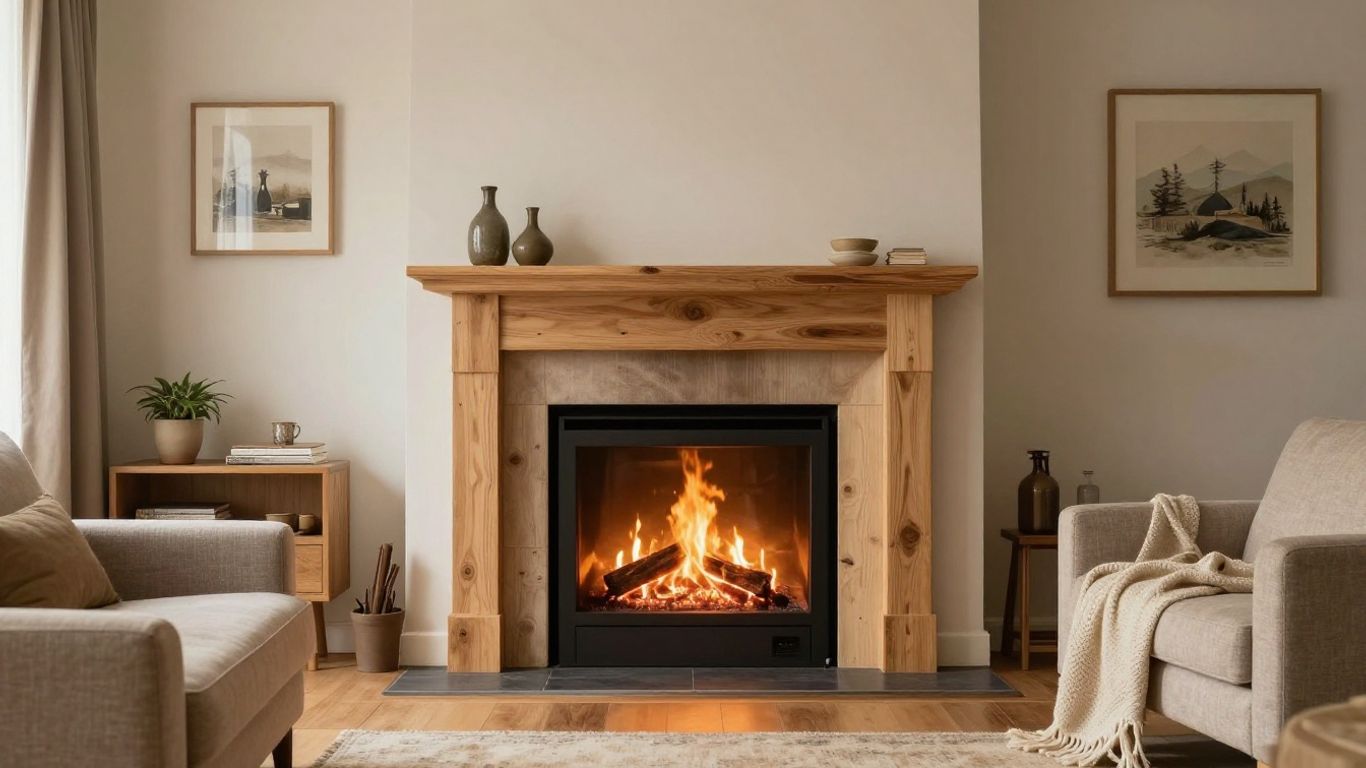
Fireplace price by type and configuration
Prices can vary with the fireplace’s design, size, materials, and whether you are choosing a freestanding unit, burner, or built-in option. Compare models that serve the same purpose rather than relying on a low starting price that may not include the configuration you want. For instance, a built-in firebox and a portable fireplace can involve different purchase and preparation needs.
Delivery, accessories, and any installation costs
Check whether the displayed price includes delivery to your location and whether you need accessories or additional work before use. The amount depends on the product and your home, so ask for a written breakdown rather than assuming every cost is bundled. If the fireplace needs a particular opening, support, or other preparation, include that work in your estimate.
Fuel and ongoing maintenance expenses
Fuel is an ongoing cost, and how much you use will depend on the fireplace, the way you operate it, and how often you light it. Follow the manufacturer’s operating and care instructions, and ask what fuel is suitable for the model you are considering. If you are comparing expected burn time or heat, the heat output and room suitability guide can help frame the questions to ask; product specifications and usage conditions still matter.
Comparing the total payable, not just the installment
A small scheduled payment can make a purchase look affordable while hiding the length of the repayment period or the fees attached. Set out the main costs side by side so you can see which amounts are known and which still need confirmation.
| Cost to compare | What to confirm | Why it matters |
|---|---|---|
| Fireplace | Price for your chosen model and configuration | Establishes the purchase baseline |
| Finance | Deposit, repayments, interest, and fees | Shows the credit cost |
| Delivery and preparation | Included services and any extra work | Captures costs beyond the listed price |
| Ongoing use | Suitable fuel and likely maintenance needs | Helps you budget after purchase |
Once you have the figures, compare the total payable with the cash price and your expected running expenses. If a cost is not confirmed, leave it as an open question rather than treating it as zero.
How to compare finance options
Two offers with similar installments may have different repayment periods, fees, and conditions. Compare the agreement as a whole, including whether you can repay early and what happens if a payment is missed. A retailer’s offer can be convenient, but convenience alone does not show which option costs less.
Retailer-arranged finance versus third-party credit
Retailer-arranged finance may be presented during checkout and may apply only to particular products or promotions. Third-party credit is arranged separately, and its terms may not match the retailer’s offer. Naked Flame describes flexible payment plans on its indoor and outdoor fireplace range; check the current offer and provider terms for the particular purchase you have in mind.
Interest-free offers and their conditions
An interest-free period can reduce borrowing costs if you meet the conditions, but it does not automatically mean the purchase has no fees. Check the promotional end date, minimum payments, and any rate or charge that could apply after the offer expires. Make sure you know how much must be paid each period to clear the balance within the stated timeframe.
Buy now, pay later limits and repayment timing
Short-term payment services may split a purchase into smaller installments, subject to their own approval, spending limits, and terms. Check whether the service covers the full order, including delivery, and note exactly when each payment will be taken. If the timing does not line up with your income, even a small installment can put pressure on your budget.
Early repayment, missed payments, and other fees
Before accepting an offer, look for any fee or restriction on paying the balance early. Then check late-payment charges, how missed payments are handled, and whether an unpaid balance could attract interest. These details can matter as much as the headline rate, particularly if your income or expenses may change during the repayment period.
How to check a retailer and its offer
Before applying, make sure the retailer’s product information and finance details match the fireplace you want to buy. Ask for clear answers in writing if a term is vague, especially where it affects eligibility or the total price. You can also use a bioethanol fireplace guide to prepare practical questions about choosing and using a model.

Confirm which models and costs are eligible
Ask whether the offer covers your selected model, its configuration, and any accessories or delivery charges. Some promotions apply only to eligible purchases, so do not assume that a finance offer extends to every item in a range. Naked Flame lists EcoSmart Flex built-in fireboxes with 12 months interest-free available on eligible purchases; check the current conditions before relying on that option.
Read the agreement before applying
Read the agreement from start to finish and make sure the repayment amount and schedule are clear. Check the total payable, any fees, the rate after a promotional period, and the steps for resolving a payment problem. If anything differs from what you were told during the sale, pause and ask for clarification before signing or accepting.
Verify who provides the finance
The retailer may promote an offer while a separate provider supplies the credit and sets the approval criteria. Confirm the provider’s name, where you can review the full terms, and who to contact about account questions or disputes. Knowing which organization manages the finance makes it easier to understand whose terms apply.
Check cancellation, returns, and warranty terms
Find out what happens if you change your mind, the product arrives damaged, or you need to make a warranty claim. Check how a return would affect an active finance agreement and whether delivery or other charges are refundable. Retail and finance terms can be separate, so read both rather than assuming one automatically cancels the other.
How to choose a fireplace that fits your needs
Choose the fireplace for the space and the way you expect to use it, not simply because it fits a finance offer. Consider where it will sit, how often you plan to use it, and whether it is intended mainly for atmosphere or to contribute warmth. Product advice and specifications are useful starting points, but your room and operating requirements should guide the final choice.
Match the model to your room and intended use
Think about the room’s size, layout, and how people move through it, then compare those details with the model’s stated use. A fireplace for an outdoor entertaining area may not suit the same needs as one intended for a living space. Naked Flame lists Cocoon freestanding bioethanol fireplaces as freestanding designs; check the specific model’s guidance to decide whether it suits your room and intended use.
Compare fuel capacity and expected burn time
Fuel capacity and burn time are product-specific, so use the specifications for the exact model rather than a general estimate. Your chosen flame setting and pattern of use may also affect how often you need to replenish fuel. The retailer’s answers to common fireplace questions can help you identify topics such as fuel and burn time to confirm against the product instructions.
Consider portable, wall-mounted, and built-in designs
A portable or freestanding design can offer flexibility in placement, while wall-mounted and built-in options call for more attention to the planned location and preparation. Each has a different visual presence and may involve different costs beyond the fireplace itself. Compare photographs, dimensions, clearances, and any preparation guidance before settling on a format.
Check ventilation and operating requirements
Read the model’s instructions for ventilation, clearances, placement, fuel, and safe operation before buying. Requirements can differ between fireplaces, so do not assume one model’s instructions apply to another. If you are uncertain about your room or installation, ask a qualified professional or the retailer for guidance based on the specific product.
How to plan repayments responsibly
A payment plan should fit around ordinary household costs, not require you to rely on an unusually good month. Consider the fireplace price alongside fuel and other expenses, then check how the repayments sit with your existing commitments. A little room in the budget can help you manage an unexpected bill without missing a scheduled payment.
Set a realistic monthly budget
Start with income and regular expenses, then decide what remains available for a fireplace without cutting into essential costs. Include the actual payment frequency in your budget, since a weekly or fortnightly schedule may feel different from a monthly one. A short list of checks can keep the decision grounded in your real finances:
- Include the proposed repayment alongside rent, utilities, and existing credit commitments.
- Allow for fuel and routine household expenses, not just the first payment.
- Check whether the repayment still works in a month with an unexpected bill.
- Leave enough flexibility that you are not depending on new credit to keep up.
If the numbers work only when nothing goes wrong, consider a lower-cost model, a longer period of saving, or paying upfront later. The plan should leave you with breathing room, not just a technically affordable installment.
Compare the repayment period with the fireplace’s useful life
A longer repayment period can reduce each installment but may mean you are still paying after the purchase has lost its appeal or usefulness. Consider how long you expect to keep the fireplace and whether the credit period feels proportionate. The choice is personal, but the expected life of the product is worth weighing against the time you will be repaying it.
Keep a buffer for fuel and unexpected costs
Leave space in your budget for fuel, care, and costs that are difficult to predict at the time of purchase. If the fireplace is for a home you are preparing or renovating, the final delivery or preparation costs may also need confirmation. A buffer reduces the chance that everyday use becomes a strain while you are still making repayments.
Decide when paying upfront is the better option
Paying upfront may suit you if it avoids finance charges and does not leave your savings too low for other needs. A payment plan may be useful when its terms are clear and the scheduled amounts fit comfortably within your budget. Compare the cash price and total financed amount, then choose the option that leaves you best able to manage both the purchase and your regular expenses.
Conclusion
A suitable biofuel fireplace payment plan starts with a suitable fireplace and a clear understanding of the full cost. Compare the model, ongoing expenses, and finance agreement together, then choose a repayment schedule that leaves room for the rest of your life and budget.
Frequently Asked Questions
Are biofuel fireplace payment plans available in New Zealand?
Some retailers offer finance on eligible purchases, but availability depends on the retailer, provider, product, and approval criteria. Check the current terms for the model you want.
What should I compare besides the installment amount?
Compare the deposit, number and timing of repayments, interest, fees, total payable, and any costs for delivery or preparation. Also check what happens if you miss a payment or repay early.
Does an interest-free offer mean there are no fees?
Not necessarily. An offer may still include fees or conditions, and interest could apply if you do not meet the terms. Read the agreement to understand the full cost.
Can I finance delivery or accessories with the fireplace?
It depends on the finance offer. Ask which models, accessories, delivery charges, and other costs are eligible before applying.
What should I check before buying a biofuel fireplace?
Compare the intended use, dimensions, fuel requirements, burn-time information, ventilation guidance, and operating instructions for the specific model. Include delivery and any preparation in your overall budget.
How can I tell whether repayments fit my budget?
Add the payments to your regular expenses and allow for fuel and unexpected costs. If the plan leaves little room for essentials or emergencies, consider saving longer or choosing a lower-cost option.
Is paying upfront always better than using a payment plan?
No single option suits everyone. Paying upfront may avoid finance costs, while a plan may help spread the expense; compare the total cost and make sure either choice leaves your finances manageable.