

Bioethanol fireplace prices NZ: what to expect and how to budget
Key Takeaways
Your budget depends on the fireplace style, its specifications, and what is included in the purchase—not just the figure on the price tag. Compare models using the same practical details before deciding what suits your home.
- Freestanding, wall-mounted, and built-in fireplaces can sit at different price levels.
- Size, burner capacity, finish, and included features affect the upfront cost.
- Fuel use and refill frequency contribute to ongoing expenses.
- Delivery, installation, and any building work may change the total budget.
- Compare product specifications and current New Zealand pricing before you buy.
What bioethanol fireplaces cost in New Zealand
There is no single price for a bioethanol fireplace in New Zealand: the style, size, finish, and burner all affect the amount you will pay. Rather than relying on a generic online average, compare current listings for models with similar specifications. The table below gives a relative guide to how the main types tend to compare, not a set price list. Use it to decide which products are worth checking against your budget.
Typical price ranges by fireplace type
A compact, freestanding model is often a simpler purchase than a built-in design that needs to fit a planned opening. Wall-mounted fireplaces fall between those broad categories, though their price depends on their construction and features. As a starting point, think in terms of relative price tiers and confirm the actual price with the retailer.
| Fireplace type | Relative price level | Budget consideration |
|---|---|---|
| Freestanding | Lower to mid-range | Check size, burner specification, and included accessories. |
| Wall-mounted | Mid-range | Allow for suitable mounting and any installation costs. |
| Built-in or custom | Mid-range to higher | Include any surround, opening preparation, or building work. |
These tiers are only a comparison aid; a larger or more highly specified freestanding model may cost more than a basic built-in option. For a live example of the category, EcoSmart freestanding fireplaces include portable bioethanol options. Check the individual listing and confirm what is included before comparing it with another model.
How size and heat output affect the price
A larger fireplace or burner may cost more, but dimensions alone do not tell you whether it is the right choice. Check the manufacturer’s stated heat output and the room guidance for each model, then consider how you plan to use the fire. A fireplace can add warmth and atmosphere without necessarily serving as your home’s main heat source. The burner size guide can help you understand specifications when choosing a burner for your room.
Why prices vary between retailers and models
Retailers may list different models, configurations, accessories, and delivery terms, so two advertised prices are not always like-for-like. Product availability and current offers can also change, which makes dated price estimates less useful than checking live listings. If you are weighing a bioethanol option against another fireplace type, a fireplace comparison can help frame the differences in installation, fuel, and maintenance. Then compare the exact models and terms that are available to you.
Fireplace types and their price differences
The form of the fireplace affects both its purchase price and how it fits into your home. Freestanding units can offer flexibility, while wall-mounted and built-in models call for more thought about placement and the surrounding space. Your choice should reflect how you want to use the fire, not just which style looks least expensive. Consider the cost of getting the whole setup ready as well as the fireplace itself.
Freestanding models and portable options
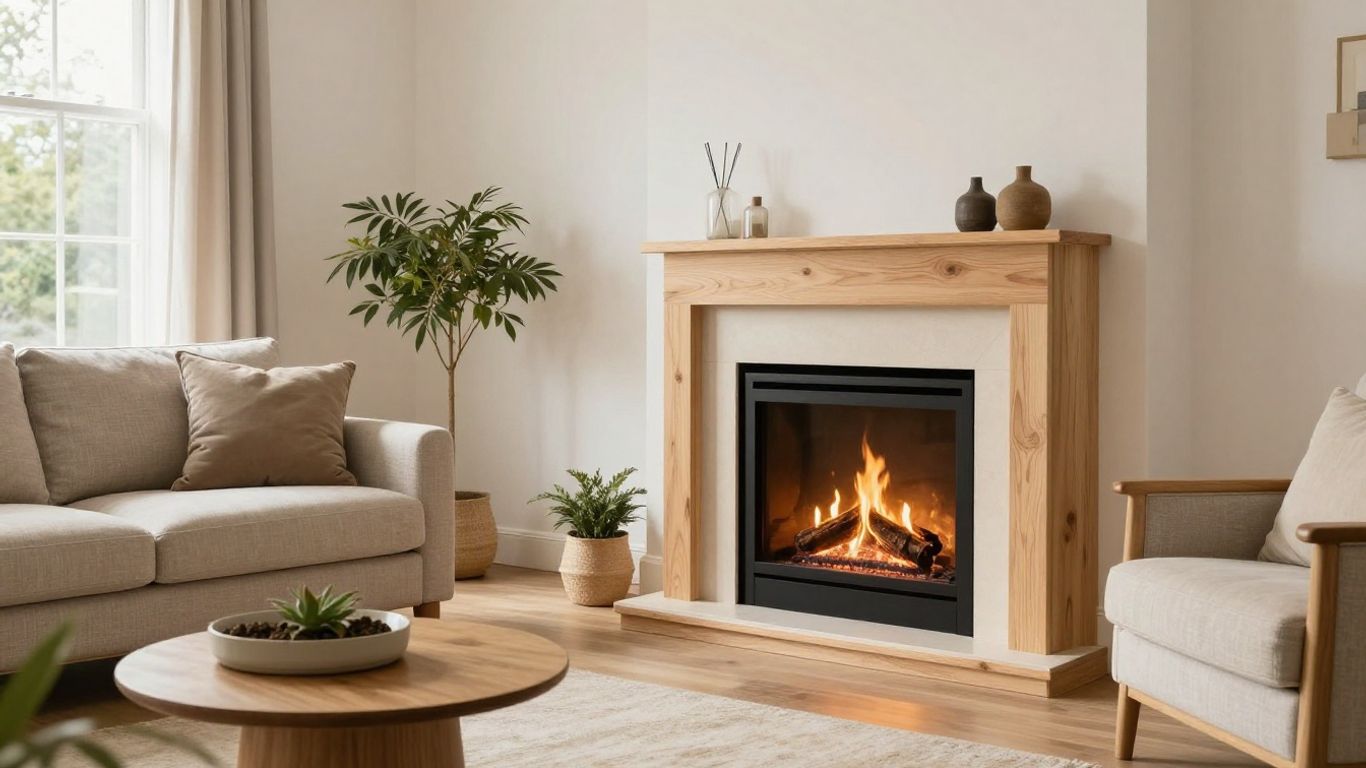
Freestanding fireplaces can be easier to position than models designed for a wall or a built-in opening. Their prices vary with the overall size, materials, and burner specification, so “portable” does not automatically mean “basic.” EcoSmart freestanding fireplaces are described as portable bioethanol fireplace options; check the product details to see whether a particular model suits your intended location. Before purchase, confirm the maker’s placement instructions and any required clearances.
Wall-mounted fireplaces
A wall-mounted fireplace may keep the floor area clear and make the fire a focal point, but the wall and mounting requirements matter. The unit’s price is only one part of the decision: installation may add cost if the surface needs preparation or a qualified installer is needed. Read the model’s instructions before assuming it can be fixed to any wall. A careful check up front is simpler than adapting the room after delivery.
Built-in fireplaces and custom designs
Built-in fireplaces can be planned around a particular opening or interior design, so the final budget may include more than the firebox. Measure the intended space and ask what preparation, finishing, or tradespeople may be needed. For instance, EcoSmart Flex fireboxes are described as built-in bioethanol fireboxes. Confirm the model dimensions and installation guidance before planning the surrounding structure.
What affects the upfront price
The advertised figure may not cover every part of getting a fireplace into your home and ready to use. Product construction, included items, delivery, and any installation work can all change the amount you need to set aside. Ask for the full purchase breakdown before making comparisons. That way, you can separate the cost of the fireplace from the additional costs of preparing its location.
Materials, finish, and burner quality
Materials and finish influence the look and feel of a fireplace, while the burner specification affects how it operates. Compare the listed materials, dimensions, capacity, and manufacturer details rather than judging by appearance alone. A more elaborate finish or a larger burner can affect the price, but the best fit depends on your intended use and room. Keep the model specifications beside the price when you compare options.
Included accessories and safety features
Check whether the listed price includes the accessories needed for normal use, or whether some items are sold separately. Look for clear product instructions and information about any safety features, and confirm what the manufacturer recommends for handling fuel and operating the burner. A lower starting price may not be the better value if it leaves out items you will need. Ask the retailer to clarify anything that is not stated on the product page.
Delivery, installation, and building work
Delivery costs may vary according to the product and where you live, while built-in designs can involve extra preparation or trades. Get a complete estimate that separates the product, freight, installation, and building work wherever possible. For a freestanding model, the main additional cost may be delivery; for a custom opening, the surrounding work could be more significant. Planning for each line item gives you a more realistic total.
Ongoing costs to factor into your budget
The initial purchase is only one part of owning a bioethanol fireplace. Fuel is an ongoing expense, and the amount you use will depend on the burner and how often you light it. You may also need to replace parts over time, so check what the manufacturer recommends for care. A modest running-cost estimate is more useful when it is based on your likely use rather than a best-case assumption.
Bioethanol fuel consumption and cost
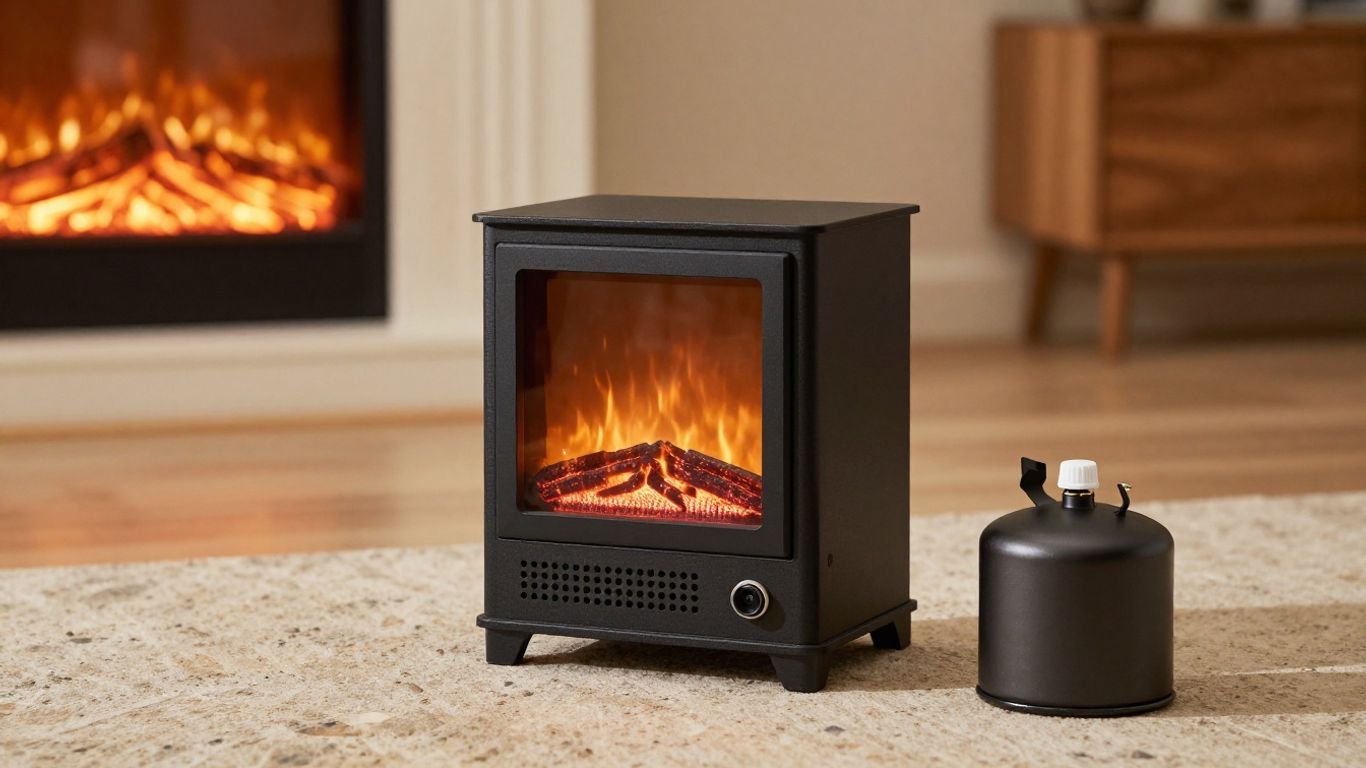
To estimate fuel costs, find the burner’s stated consumption and compare it with the current price of suitable fuel. Multiply the amount used per hour by the hours you expect to run the fire, then by the fuel price per unit. Treat the result as an estimate: your actual usage depends on the model and how you operate it. Check that the fuel you plan to buy is specified as suitable for your fireplace.
How often you may need to refill the burner
Refill frequency depends on burner capacity, fuel consumption, and how long you run the fireplace each time. Check the product instructions for both capacity and expected burn time rather than assuming that all burners last the same length of time. A smaller burner may suit occasional use, while longer sessions make capacity and fuel supply more relevant to your budget. Follow the maker’s instructions when refilling and operating the unit.
Maintenance and replacement parts
Maintenance requirements differ by model, so use the manufacturer’s care guidance as your reference. Ask what routine cleaning involves and whether any parts are expected to need replacement during normal use. For example, EcoSmart burner inserts are listed with AB3, AB8, and XL models; check the specifications and care information for the particular insert you are considering. Keeping those details with your purchase records can make future upkeep easier to plan.
How to compare prices and value
A useful comparison starts with two or more models that are meant to serve a similar purpose. Look beyond the headline price to the burner specifications, included items, and costs that arise before you can use the fireplace. A brief video can also help you understand the kinds of questions to ask while comparing products.
Check what is included in the advertised price
Before comparing listings, make sure you know what each quoted price covers. A short checklist can keep small differences from getting lost in the process:
- Confirm the exact model and burner included.
- Check whether accessories and fuel are included or sold separately.
- Ask about delivery charges and expected delivery arrangements.
- Include installation or building work in your total if needed.
Once you have those answers, compare the complete estimates rather than the first number you see. If an item is not clearly listed, ask for confirmation in writing so you can budget with fewer surprises.
Compare burner capacity and expected burn time
Capacity and burn time help you judge whether a model fits your normal use, but neither should be treated as a promise of a fixed running cost. Compare the figures supplied for each model and relate them to the hours you expect to use the fireplace. This makes it easier to consider both the purchase price and the likely fuel spend. If a listing does not explain a specification clearly, request the manufacturer’s information before deciding.
Review warranties, support, and product certifications
Read the warranty terms to understand what is covered, for how long, and what conditions apply. Check what support is available if you have questions about installation, operation, or replacement parts. Where a product lists certifications or standards, verify the details for the specific model rather than assuming every fireplace has the same approvals. Clear documentation is part of making an informed purchase.
Planning a purchase in New Zealand
A little preparation can help you avoid choosing a fireplace that does not suit the room or the way you plan to use it. Start with measurements, then review the manufacturer’s placement and ventilation guidance for the model you have in mind. If you are unsure about the setup, ask the retailer or an appropriately qualified professional before ordering. This is particularly worthwhile when your plans involve a built-in opening or changes to the home.
Measure the room and choose an appropriate model
Measure the available floor or wall space, and record the dimensions of any planned opening before you compare models. Consider the size of the room, ceiling height, and whether the fire is intended mainly as a visual feature or as supplementary warmth. Check the listed heat output and the maker’s room guidance, rather than choosing on appearance alone. Leave enough space to follow the manufacturer’s placement requirements.
Check ventilation and placement requirements
Follow the ventilation, clearance, and placement instructions supplied for the exact fireplace you choose. Room conditions and product guidance matter, so do not assume that a setup suitable for one model is suitable for another. Before purchasing, check where the fire can be placed and whether the proposed location meets the maker’s requirements. If the instructions are unclear, pause and get reliable advice rather than guessing.
Confirm local safety guidance before installation
New Zealand requirements and advice can depend on your home and the work involved. Check current local guidance and the fireplace manufacturer’s instructions, especially if installation includes building work or a fixed mounting. Ask who is responsible for any approvals or professional work before agreeing to a project. Confirming these details beforehand helps you budget for a safe, suitable setup.
Conclusion
Bioethanol fireplace prices in New Zealand vary with style, size, burner specifications, and the work needed to prepare the space. Compare current listings on a like-for-like basis, add delivery and installation where relevant, and estimate fuel use around the way you expect to use the fire. With those details in hand, you can choose a model that fits both your room and your budget.
Frequently Asked Questions
How much does a bioethanol fireplace cost in New Zealand?
The price depends on the fireplace type, size, finish, and burner specifications. Check current New Zealand listings and compare models with similar features, including any additional delivery or installation costs.
Which type of bioethanol fireplace is usually least expensive?
Freestanding models can be a simpler purchase than built-in designs, but prices vary by model. Compare the complete specifications and included items rather than relying on fireplace type alone.
What ongoing costs should I budget for?
The main recurring expense is suitable bioethanol fuel. You may also want to allow for care or replacement parts according to the manufacturer’s guidance.
How can I estimate fuel costs?
Use the burner’s stated fuel consumption, the hours you expect to use it, and the current price of suitable fuel. The result is an estimate, since actual use varies by model and operation.
Does a bioethanol fireplace need professional installation?
Requirements depend on the model and the planned location. Follow the product instructions and seek qualified help where the installation or local requirements call for it.
Can a bioethanol fireplace heat an entire home?
Do not assume that one fireplace will provide enough heat for an entire home. Check the model’s stated output and room guidance, and consider whether you need another source of heating.
What should I check before buying a bioethanol fireplace?
Compare the exact model, burner capacity, expected burn time, included accessories, warranty, delivery terms, and placement guidance. Also confirm any installation work and ongoing fuel costs that apply to your plans.