

Are biofuel fireplaces safe? Risks, ventilation, and essential precautions
Key Takeaways
Biofuel fireplaces use a real flame, so safe use depends on the appliance, the room, and your habits. Keep the manufacturer’s instructions close and treat fuel and fire with care.
- Check the fireplace’s instructions, fuel requirements, and room-size guidance before use.
- Keep flames clear of curtains, furniture, and other combustible materials.
- Ventilate the room as directed; a carbon monoxide alarm does not measure every indoor pollutant.
- Store fuel securely and never refill a lit or hot fireplace.
- Stay with the flame, keep children and pets back, and know how to extinguish it.
How biofuel fireplaces work
Biofuel fireplaces burn liquid fuel to produce a visible flame and heat. Many are designed without a chimney or flue, but that does not mean the fire has no effect on the air in your room. Understanding the fuel and combustion helps you make a more informed choice about where and how to use one.
Biofuel, bioethanol, and the fuels used in these fireplaces
Biofuel is a broad term; bioethanol is the alcohol fuel used in many fireplaces sold as bioethanol or ethanol fires. The fuel’s exact requirements vary by appliance, so check the manual and product information rather than assuming that similar-looking fuels are interchangeable. For a plain-language overview of how bioethanol fuel is made and used, see this bioethanol fuel guide.
Use only the fuel specified for your particular fireplace. Substituting another fuel or adding fuel that is not intended for the burner can create avoidable risks. Keep the original fuel container and instructions so you can check the product details when needed.
How combustion produces heat, water vapor, and emissions
When bioethanol burns, it releases heat and produces water vapor and carbon dioxide. In real indoor use, the quality of combustion and the room conditions matter; combustion may also produce unwanted byproducts. The flame is attractive, but it is still an actual flame that consumes fuel and changes the air around it.
A ventless fire does not send combustion products up a chimney, so they remain in the room unless removed by ventilation. This is one reason to follow the manufacturer’s room-size and ventilation guidance rather than treating the fireplace like a purely decorative object. This short video can help you picture the basic setup and the precautions involved.
How ventless designs differ from traditional fireplaces
A ventless fireplace is designed to operate without a chimney or flue, unlike a traditional fireplace that directs smoke and combustion products outdoors. That can make installation more flexible, but it also means you need to consider the room’s size and air exchange. The EcoSmart BE Freestanding, for example, is described as operating without a chimney, flue, or utility connection; those features do not remove the need to follow its instructions.
The practical question is not only whether a fireplace can fit in a room, but whether it can be used there as directed. Review the maker’s guidance on placement, clearances, and room conditions before you buy or light it. For more background on the fireplace type, this bioethanol fireplace overview explains how these designs work.
The main safety risks to understand
The risks are familiar fire risks, with a few details specific to liquid fuel and ventless operation. A flame can ignite nearby materials, fuel can flare if handled carelessly, and combustion affects indoor air. A sensible setup and careful routine can reduce avoidable hazards, but they cannot make an open flame risk-free.
Fire hazards from open flames and nearby materials
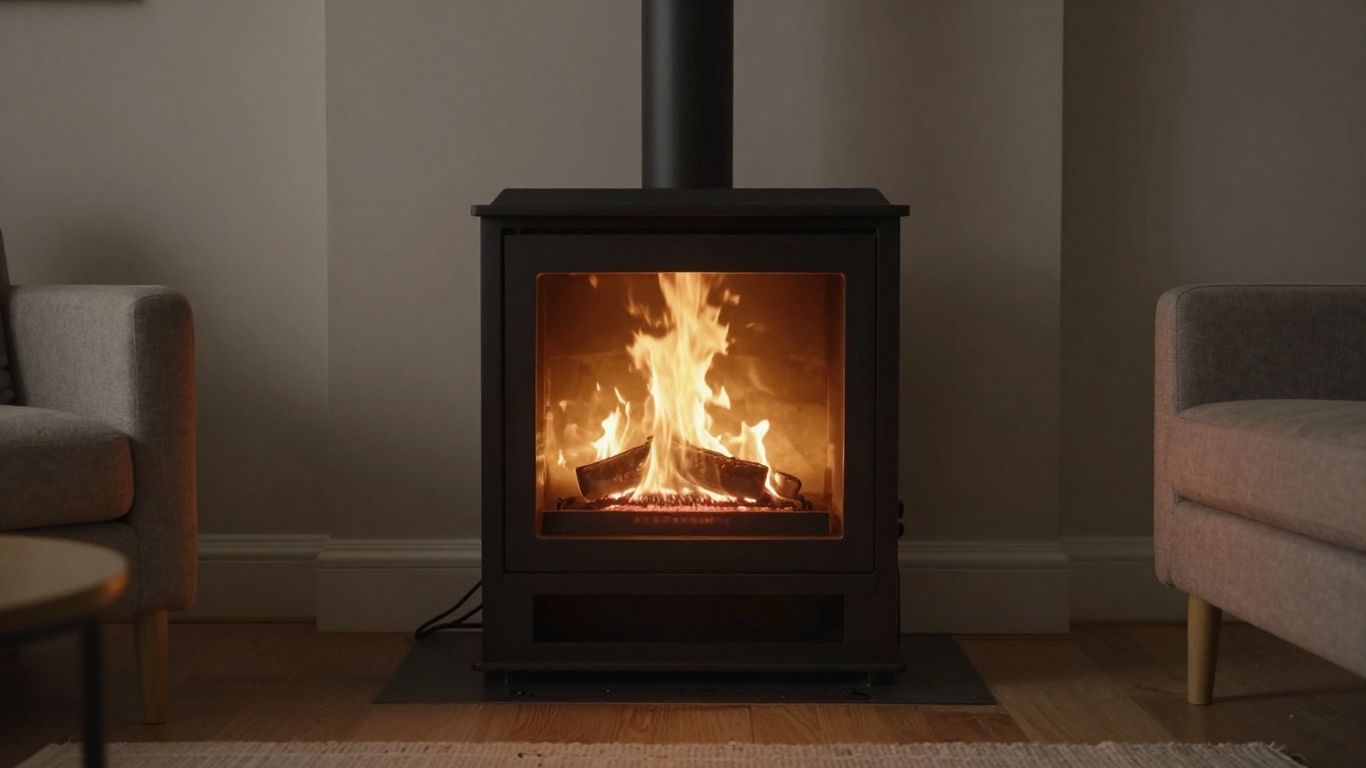
Keep combustible items away from the burner and follow the clearance distances in the fireplace manual. Curtains, paper, decorations, furniture, and clothing can all become hazards if they are too close to a flame or exposed to heat. Check the space around the unit before lighting it, not just when you first install it.
Place the fireplace on a stable surface or install it exactly as directed. Avoid locations where it could be knocked, where people regularly pass close by, or where a door or draft could affect the flame. Never leave a burning fireplace unattended.
Burns and flare-ups when refueling
Liquid fuel can ignite, and spilled fuel can create a sudden flare-up. Refueling while the fire is lit or while the burner is still hot is especially hazardous. Wait until the flame is fully extinguished and the fireplace has cooled completely, then follow the manufacturer’s refilling procedure.
If fuel spills, do not light the fireplace. Follow the product instructions for cleaning the spill and wait until the area is safe before using the appliance again. The safe-use guidance covers practical precautions for handling fuel, filling burners, and keeping children away.
Indoor air quality and combustion byproducts
A ventless fireplace releases its combustion products into the room, so air quality is part of safe operation. Do not assume that a fuel described as clean-burning produces no emissions. Research has raised concerns about particles and gases from ethanol fireplaces, which is another reason to follow ventilation guidance and avoid prolonged use in an unsuitable space.
The ethanol fireplace safety guidance summarizes research concerns about indoor emissions. Treat such information as a prompt to check the particular fireplace’s instructions and your room conditions, not as a substitute for product-specific guidance. If anyone in the household feels unwell while the fireplace is running, extinguish it if safe to do so, leave the area, and seek appropriate help.
Ventilation and indoor air quality
Ventless does not mean ventilation-free. The room’s volume, air exchange, and the fireplace’s operating guidance all affect whether the appliance is appropriate for that space. Check the manual before use, and do not rely on an open window or an alarm as a universal fix for poor indoor air.
Why room size and airflow matter
A fireplace releases heat and combustion products into the room where it is used. A small or poorly ventilated space can be less suitable than a larger room with adequate airflow. Follow the maker’s minimum room-size and ventilation requirements, and do not use the fireplace in a space the instructions rule out.
Room-size guidance is specific to the model, not a general guarantee that any room of a certain size will be suitable. For example, the Planika Neo 750 is described as a compact built-in indoor firebox with integrated safety sensors and flexible installation options; its listing does not replace checking the instructions for the planned installation and room.
What carbon monoxide detectors can and cannot tell you
A carbon monoxide alarm is useful for detecting carbon monoxide, but it does not measure every possible combustion byproduct or assess whether a room has adequate ventilation. Use alarms as directed and maintain them according to their manufacturer’s instructions. They are one layer of protection, not permission to ignore the fireplace manual.
Different checks answer different questions, so it helps to be clear about what each one can tell you.
| Check or device | What it can tell you | What it cannot establish |
|---|---|---|
| Carbon monoxide alarm | Whether carbon monoxide reaches its alarm threshold | Whether all indoor pollutants are absent |
| Room-size guidance | Whether the model is specified for a room of that size | Whether the room’s airflow is adequate in every condition |
| Air-quality monitor | Readings for the pollutants it is designed to measure | A complete assessment of fireplace safety |
No single device replaces the manufacturer’s operating requirements. Use the information together: correct installation, suitable room conditions, ventilation, and working alarms all matter.
Signs that a room needs more ventilation
Pay attention to unusual stuffiness, excessive heat, or irritation and discomfort while the fireplace is running. These signs do not identify a particular pollutant, and the absence of symptoms does not prove the air is safe. If the room feels uncomfortable, extinguish the flame according to the instructions and ventilate the space.
Do not keep operating the fireplace in a room that repeatedly feels unsuitable. Check the manual and consider getting qualified advice about the room or installation before using it again. If someone has serious or persistent symptoms, move them to fresh air and seek medical help.
Choosing and installing a safer fireplace
Choosing a fireplace involves more than appearance or heat output. You need clear instructions, a model suited to the planned location, and an installation that follows the required clearances. Ask questions before purchase if any part of the product information or installation guidance is unclear.
Safety features and certifications to look for
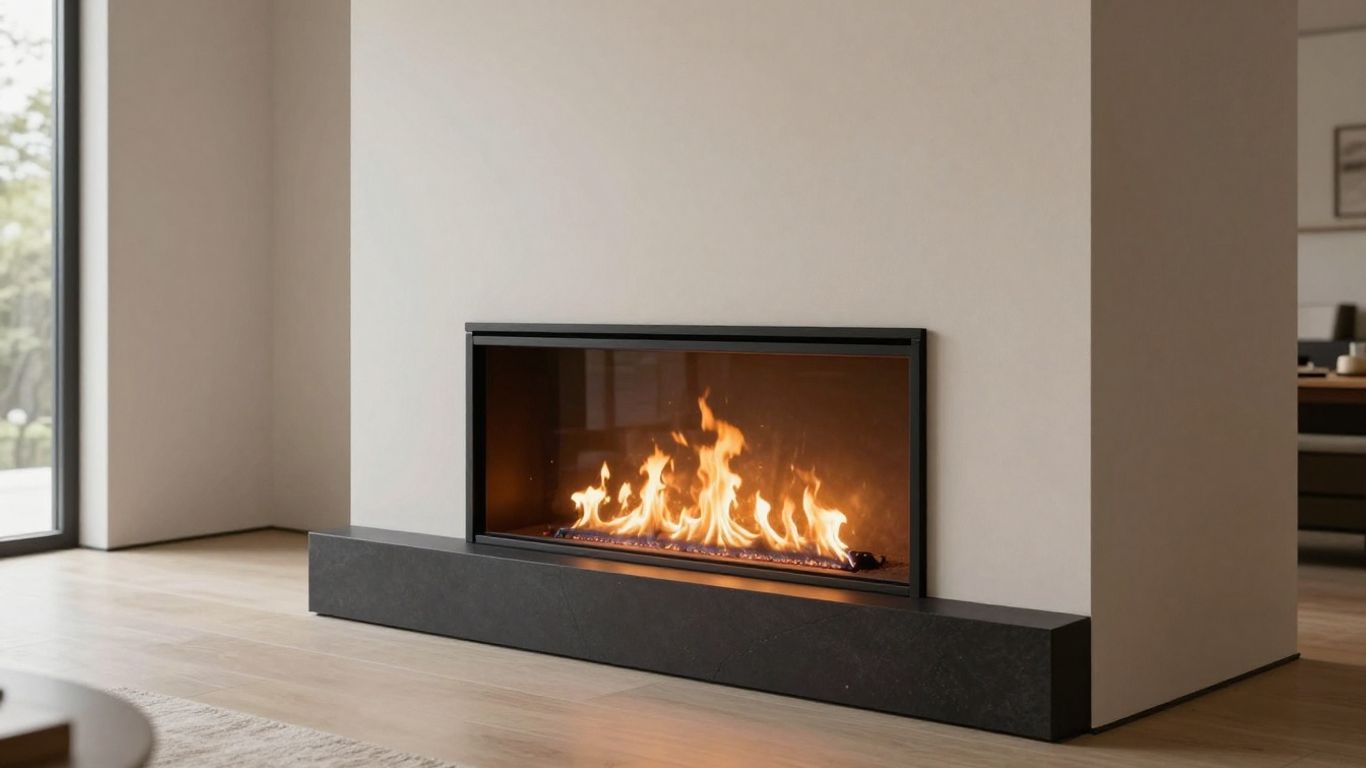
Look for clear manufacturer instructions, stated fuel requirements, installation details, and safety information that applies to the model you are considering. Check whether the product lists relevant certifications or standards, and verify that they apply to that specific fireplace and its intended use. Do not treat a feature or label as a replacement for careful operation.
Some products list additional features. For instance, the Planika Neo 750 product information describes integrated safety sensors. Read the product documentation to understand what those sensors do and what precautions remain necessary.
Placement, clearances, and stable installation
Use the clearances and placement instructions supplied for the model. A fireplace should sit securely or be installed as specified, with combustible materials kept away from the flame and hot surfaces. Take account of everyday movement in the room, including children, pets, and the possibility of something being bumped into the unit.
For a built-in fireplace, do not assume that a visually neat fit means the installation meets the product requirements. The EcoSmart Flex Peninsula is described as a three-sided indoor and outdoor firebox designed as a room divider, with flexible zero-clearance installation. Confirm the exact installation instructions and suitability for your project before building around any model.
When building codes or landlord approval may apply
Requirements can depend on where you live, the building, and the type of installation. If you rent, check your tenancy agreement and ask your landlord before making changes or installing a built-in unit. For renovations or permanent installations, consult your local council or a qualified professional about applicable building and fire-safety requirements.
Do not assume that a product’s portability or lack of a flue exempts it from local rules. Get approval and advice before committing to work, especially if the fireplace will be built into a wall, cabinetry, or another permanent feature.
Safe fuel storage and handling
Fuel handling deserves the same care as lighting the fireplace. Keep fuel in its original, closed container, follow the label and manufacturer’s instructions, and plan where it will be stored before bringing it into the home. A calm routine matters; rushing is when spills and mistakes are more likely.
Using only the fuel specified by the manufacturer
Use only the fuel type specified for your fireplace. A fuel that seems similar is not necessarily compatible, and the wrong fuel may affect how the appliance operates or create a hazard. Check the product manual and fuel label whenever you are unsure.
Do not mix fuels or pour fuel into a burner from an unmarked container. If the instructions are missing or you cannot identify the correct fuel, pause and contact the fireplace supplier or manufacturer for clarification before proceeding.
Storing fuel away from heat, flames, and children
Store fuel sealed in its original container, away from fireplaces, other heat sources, and ignition sources. Keep it out of reach of children and pets, and follow any storage directions on the fuel packaging. Avoid storing more fuel than you can safely secure.
Choose a storage place that is stable and not likely to be mistaken for a drink or household product. Keep the container closed after use, and clean up any drips promptly in accordance with the label’s directions.
Refueling only after the fireplace is fully extinguished and cool
Before refueling, make sure the flame is fully out and the fireplace is completely cool. Follow the manufacturer’s steps, use only the specified amount of fuel, and take care not to spill it. Never pour fuel toward a flame or top up a burner that is still warm.
If a spill occurs, do not ignite the fireplace. Follow the manual and fuel label for safe cleanup, and make sure the area is clear of fuel before lighting again. If you cannot safely manage the spill, keep people away and seek appropriate assistance.
Operating a biofuel fireplace responsibly
Safe operation begins before you strike a match or use an ignition control. Read the manual, prepare the room, and make sure you know how to extinguish the fire. Once lit, stay nearby and treat the burner as an active fire, even if the flame looks small.
Preparing the room before lighting the fireplace
Before lighting, check that the unit is stable, the area is clear, and the room meets the manufacturer’s ventilation and size guidance. Make sure you can reach the extinguisher or snuffer recommended for the model, and that everyone in the room knows the fireplace is about to be lit. Do not use a unit that appears damaged or has been installed incorrectly.
A brief pre-light check can help turn general advice into a repeatable habit:
- Confirm the burner and fireplace are in good condition.
- Move combustible items beyond the specified clearance.
- Check that the room and ventilation meet the manual’s requirements.
- Make sure the correct extinguishing tool is nearby.
Once those checks are complete, follow the lighting instructions exactly. If you are uncertain about any step, do not light the fireplace until you have clarified it.
Monitoring the flame and keeping children and pets at a distance
Stay in the room and keep the flame in view while the fireplace is operating. Keep children and pets at a safe distance, and do not let anyone touch the burner, fuel, or hot surfaces. Avoid moving the fireplace while it is lit or still hot.
A flame may be difficult to see in some conditions, so never use appearance alone to decide that the burner is out. Follow the manufacturer’s extinguishing procedure and verify that the fire is fully extinguished before approaching the burner or considering refueling.
Extinguishing the fire and responding to spills or emergencies
Use the extinguisher or snuffer specified by the manufacturer, and follow the instructions for putting out the flame. Do not leave until you have confirmed the fire is out. Let the appliance cool fully before handling it or refueling.
If a fire grows beyond your control, get everyone away and call emergency services. Do not attempt to move a burning fireplace. For a fuel spill, keep all ignition sources away and follow the product’s cleanup instructions; if the situation is unsafe, leave the area and seek help.
Conclusion
Biofuel fireplaces can bring a real flame into a home, but safe use depends on choosing an appropriate model, following its installation and ventilation requirements, handling fuel carefully, and staying present while it burns. If you cannot confirm that the room and installation meet the instructions, pause and get qualified advice before lighting the fire.
Frequently Asked Questions
Are biofuel fireplaces safe to use indoors?
They may be used indoors only when the specific fireplace is designed for indoor use and is installed and operated according to its instructions. Room size, ventilation, placement, and careful supervision all matter.
Do biofuel fireplaces need ventilation?
Ventless models do not use a chimney or flue, but their combustion products remain in the room. Follow the model’s ventilation and room-size guidance rather than assuming that ventless means no ventilation is needed.
Can you refill a biofuel fireplace while it is burning?
No. Refuel only when the flame is fully extinguished and the fireplace has cooled completely, following the manufacturer’s instructions.
Can I use any ethanol fuel in my fireplace?
No. Use only the fuel specified by the fireplace manufacturer. If you are unsure which fuel is correct, check the manual or ask the supplier before using it.
Does a carbon monoxide alarm make a biofuel fireplace safe?
An alarm can detect carbon monoxide, but it does not detect every possible pollutant or confirm that the room has adequate ventilation. Use it as one safety measure alongside the manufacturer’s instructions and appropriate room conditions.
Can I leave a biofuel fireplace burning unattended?
No. Stay in the room and keep the flame in view while the fireplace is operating. Extinguish it before leaving the room or going to sleep.
What should I do if fuel spills near the fireplace?
Do not light the fireplace or allow any ignition source near the spill. Follow the fuel label and fireplace manual for cleanup, and seek help if you cannot manage the spill safely.